World Emoji Day: History and Celebration on July 17th
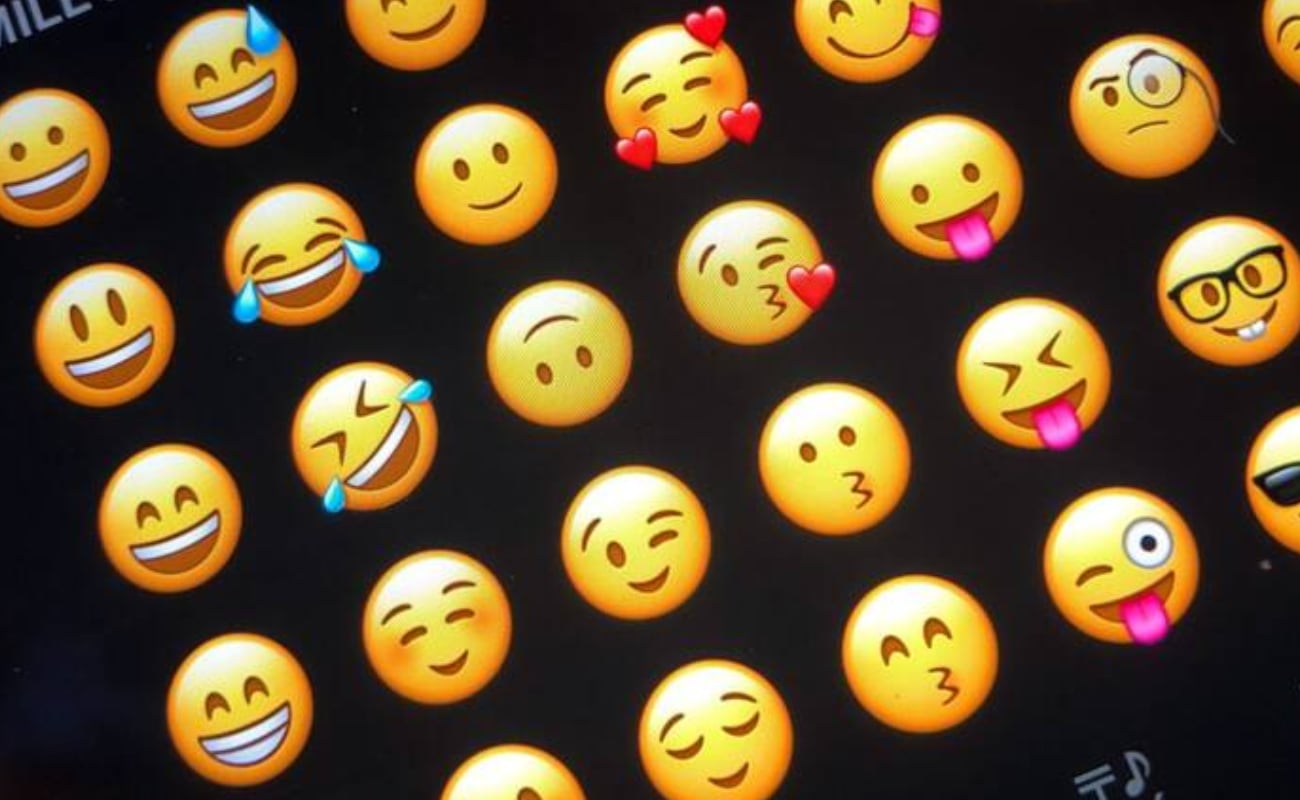
Emojis were first added to smartphones in 2001, becoming a daily communication tool used in millions of chats worldwide. They serve to make digital interactions more emotional and personal. This note delves into the details of this observance. World Emoji Day is celebrated annually on July 17th. This date was chosen because the first emoji calendar emoji, showing July 17th, was introduced on the iPhone. Emojis have evolved significantly since their inception, expanding from basic icons to a vast library of expressions representing diverse emotions, objects, and activities. Their widespread adoption highlights a shift in digital communication, where visual cues supplement or even replace text to convey tone and meaning more effectively. The cultural impact of emojis is substantial, influencing how people connect and express themselves across different platforms and languages.
The proliferation of emojis reflects a fundamental shift in digital communication, driven by the human need for nuanced emotional expression in text-based environments. As AI systems become more integrated into communication, understanding and generating contextually appropriate emojis will be crucial for natural language processing. The evolution of emojis also raises questions about digital inclusivity and representation, as the selection and design of emojis can impact how different cultures and groups perceive themselves online. The ongoing development and standardization of emoji sets by bodies like the Unicode Consortium will continue to shape global digital discourse, balancing the need for expressiveness with the challenges of universal interpretation.
AI-generated to prompt reflection — not editorial opinion, not advice, not a statement of fact. How this works.