World Emoji Day: Only 1 in 10 People Don't Use Emojis
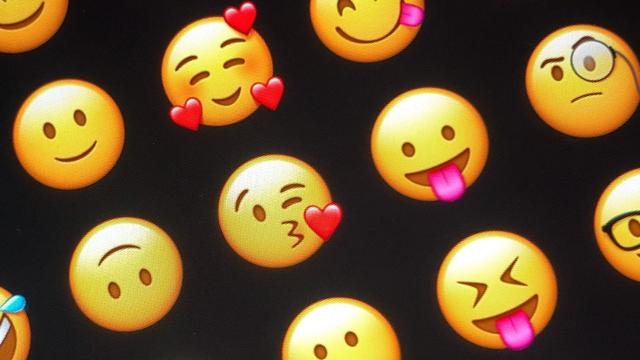
Friday marks World Emoji Day, a day dedicated to the digital pictograms that have become an integral part of online communication. New data reveals that a significant majority of people regularly incorporate emojis into their messages and social media posts. Specifically, only about ten percent of individuals report not using emojis at all. This suggests a widespread adoption and acceptance of emojis across various demographics and platforms. The trend highlights how these visual cues have evolved from a niche form of expression to a mainstream communication tool. Emojis convey emotions, add nuance, and can even replace words, making digital conversations more engaging and efficient. Their popularity underscores a broader shift towards visual literacy in the digital age. As technology advances, the role of emojis is likely to continue expanding, influencing how we interact online and potentially shaping future forms of digital language.
The widespread adoption of emojis reflects a fundamental shift in digital communication, moving towards more visually expressive and emotionally nuanced interactions. This trend is driven by the inherent limitations of text-based communication in conveying tone and sentiment, a gap that emojis effectively fill. As AI systems become more sophisticated in understanding and generating human language, they will increasingly need to interpret and utilize these visual elements to achieve true conversational fluency. The continued evolution of emoji usage suggests a future where digital interfaces integrate richer forms of symbolic communication, potentially blurring the lines between text, image, and emotion. This presents both opportunities for more engaging user experiences and challenges in ensuring consistent interpretation across diverse cultural contexts and technological platforms.
AI-generated to prompt reflection — not editorial opinion, not advice, not a statement of fact. How this works.