World Leaders' Plans Spark Global Concerns
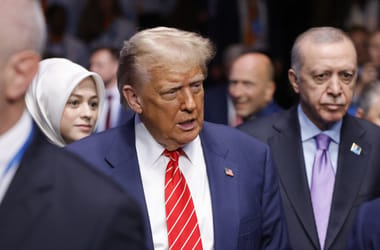
The world is facing potential anxieties stemming from the strategic intentions of prominent global leaders, including Vladimir Putin, Donald Trump, Recep Tayyip Erdogan, and Xi Jinping. International media outlets have been analyzing these leaders' potential actions and their implications for global stability and international relations. The specific nature of these concerns is not detailed in the provided text, but the mention of these four figures suggests a focus on geopolitical shifts and potential policy changes that could impact various regions and international dynamics. The selection of these leaders implies a focus on major powers and their influence on the global stage. The article is a compilation of analyses from international newspapers, indicating a broad spectrum of perspectives on the matter. Further details regarding the specific plans and the exact nature of the global worries are expected to be elaborated upon in the referenced international press. The implications could range from economic policies to military postures and diplomatic alignments.
The confluence of plans from leaders in major global powers like Russia, the United States, Turkey, and China necessitates a careful examination of their potential impacts on international order. Analyzing the incentive structures driving their foreign policy decisions, such as national security objectives, economic interests, and domestic political considerations, is crucial. Understanding how these individual agendas interact and potentially conflict or align will shape geopolitical landscapes over the next decade. Evaluating these developments through the lens of evolving global governance and the increasing influence of technological advancements, particularly in areas like artificial intelligence and cyber capabilities, offers a more comprehensive perspective. The challenge lies in discerning predictable patterns from ad-hoc decisions, allowing for proactive adaptation rather than reactive responses to international shifts.
AI-generated to prompt reflection — not editorial opinion, not advice, not a statement of fact. How this works.