World's Fastest Shark Filmed in Paraty Bay, Brazil
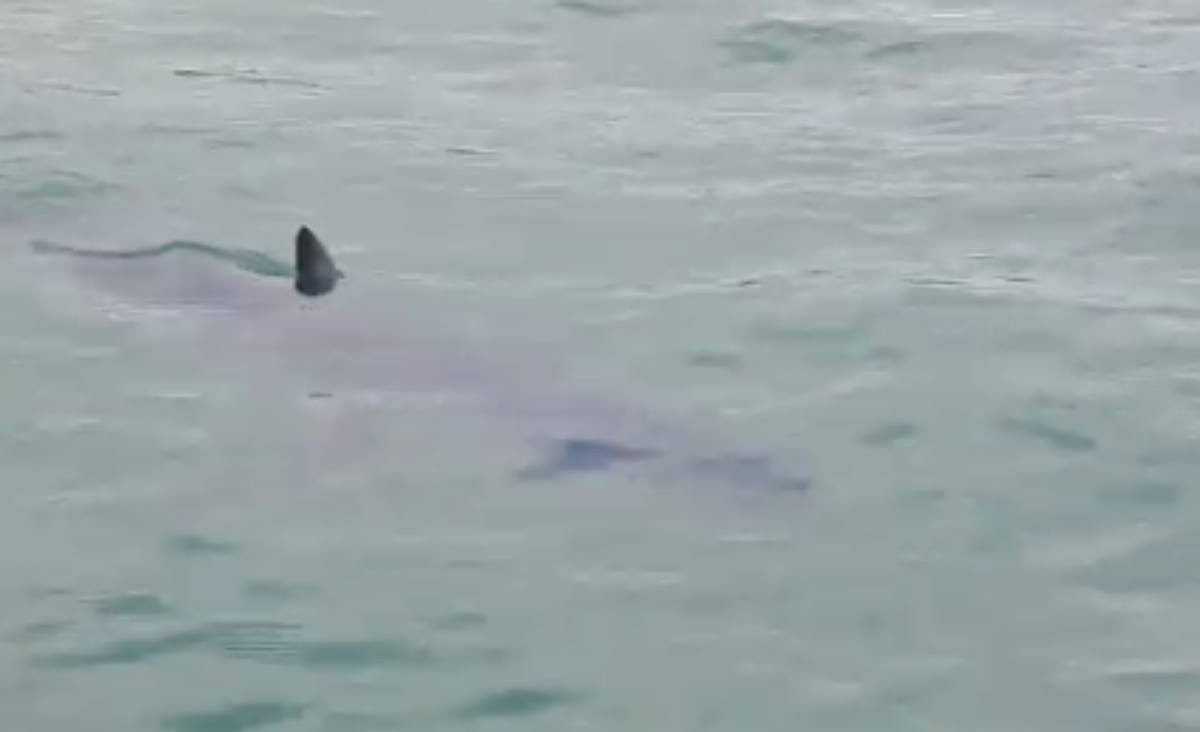
A mako shark, recognized as one of the world's fastest fish capable of speeds exceeding 70 km/h, was filmed swimming in the waters of Baía da Ilha Grande, located in Paraty, Rio de Janeiro, Brazil, on Tuesday, May 14th. The identification of the species was confirmed through technical analysis by the PROSHARK Institute, which conducts monitoring of sharks and rays in the state of Rio de Janeiro, in collaboration with the Municipal Secretariat of the Environment. Researchers have explained that these sharks naturally approach the coast during their movements and that this behavior is not atypical. The Secretariat also stated that sharks have always been a part of the local marine fauna. The recent increase in sightings is attributed to the greater availability of footage captured by mobile phones and drones, as well as enhanced scientific monitoring in the area. The presence of these predators underscores the rich biodiversity of the bay and highlights the significance of the marine ecosystem. Environmental agencies advise bathers to leave the water immediately if they encounter sharks and to avoid any interaction or approach. Residents are encouraged to report sightings to conservation institutes to aid in research and tracking efforts.
The sighting of a high-speed mako shark in a coastal bay, while a notable event for local biodiversity awareness, highlights the ongoing interplay between human activity and marine ecosystems. Increased sightings, attributed to enhanced monitoring and recording technology, suggest a potential rise in human-wildlife encounters. This situation presents a challenge for coastal management, requiring a balance between public safety and the conservation of marine predators. Future strategies may need to focus on understanding migratory patterns and habitat use to minimize conflict, leveraging technology for both monitoring and public education. The event also serves as a reminder of the ecological health indicators that thriving predator populations can represent, emphasizing the importance of preserving these complex marine environments.
AI-generated to prompt reflection — not editorial opinion, not advice, not a statement of fact. How this works.