World's Most Livable City Named for Second Consecutive Year
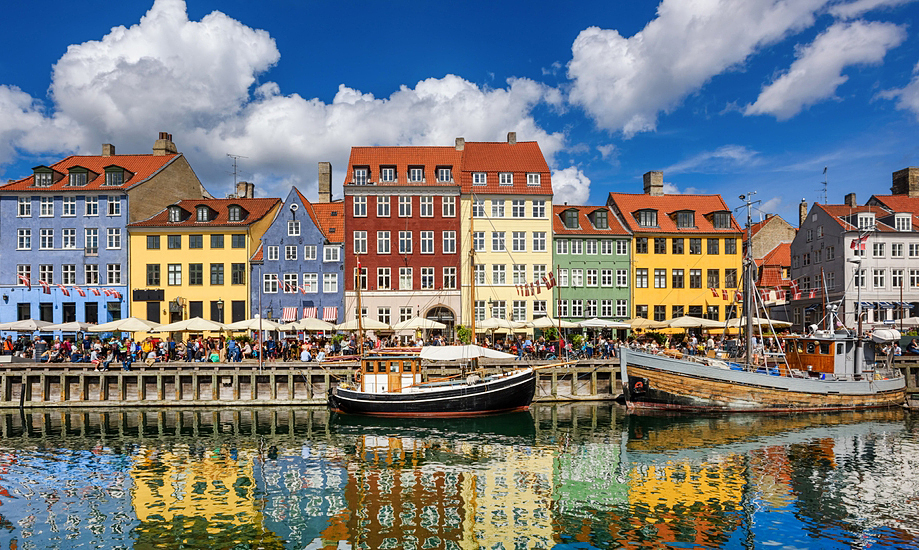
The capital city of an unnamed country has been recognized as the most livable city in the world for the second year in a row. This prestigious designation is based on high scores across various critical metrics. The city particularly excelled in areas such as stability, education, and infrastructure. These factors contribute significantly to the overall quality of life for its residents. The consistent top ranking highlights the city's sustained commitment to maintaining excellent living conditions. It suggests effective urban planning and governance are in place. The evaluation criteria likely encompass a broad range of social and economic indicators. This achievement positions the city as a global benchmark for urban livability.
The repeated designation of a capital city as the world's most livable, based on metrics like stability, education, and infrastructure, suggests a potentially successful model of urban governance and development. This outcome may reflect strategic investments in public services and social cohesion, fostering an environment attractive to residents and international observers. However, it is crucial to examine whether such rankings adequately capture the lived experiences of all demographic groups within the city, or if they primarily reflect conditions for a privileged segment. Future analysis should consider the long-term sustainability of these high livability scores in the face of evolving global challenges, including climate change, economic volatility, and technological disruption, and how these factors might impact the city's standing over the next decade.
AI-generated to prompt reflection — not editorial opinion, not advice, not a statement of fact. How this works.