World's Oldest Amber Found in China, Dating Back 385 Million Years
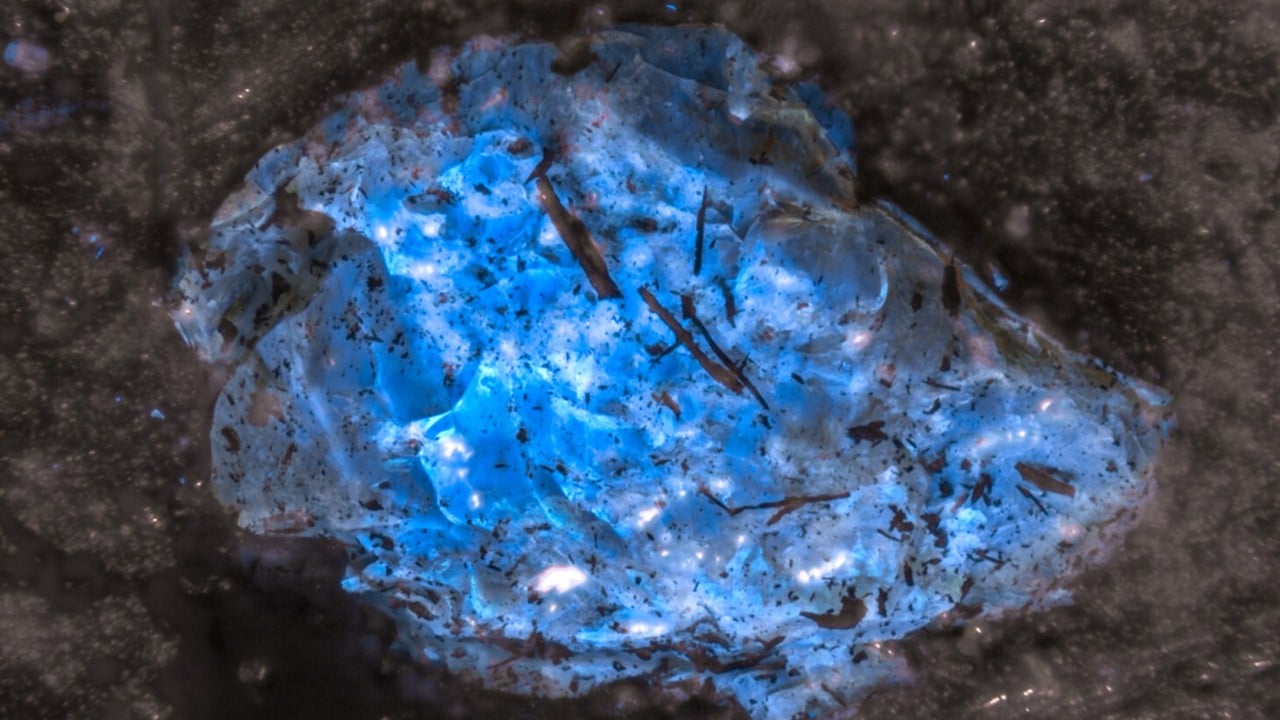
A team of Chinese scientists has discovered the world's oldest verified amber in the Xinjiang region of northwestern China. This remarkable find, unearthed in coal seams in West Junggar, indicates that ancient plants were producing protective resin as far back as 385 million years ago. This discovery predates the emergence of most animal groups that might have damaged these plants. The amber's age pushes the record for the oldest known amber back by approximately 65 million years. The location in West Junggar is noted as an ancient zone where tectonic plates collided, grew, and merged. This finding is expected to challenge some existing assumptions regarding the origins of plant resin production and its evolutionary significance.
The discovery of 385-million-year-old amber in Xinjiang provides a significant new data point for understanding ancient plant biology and resin production. By pushing back the timeline for resin secretion by approximately 65 million years, this find prompts a re-evaluation of the evolutionary pressures on early plant life. The presence of resin so early in Earth's history, predating many complex animal life forms, suggests that resin production may have served crucial functions beyond defense against herbivory, such as protection against environmental stressors or pathogens. Further research into the composition and context of this ancient amber could illuminate the co-evolutionary dynamics between plants and their environments during the Devonian period and offer insights into the material properties that have allowed amber to preserve such ancient biological information.
AI-generated to prompt reflection — not editorial opinion, not advice, not a statement of fact. How this works.