World War II Bunker Transformed into Berlin Art Sanctuary
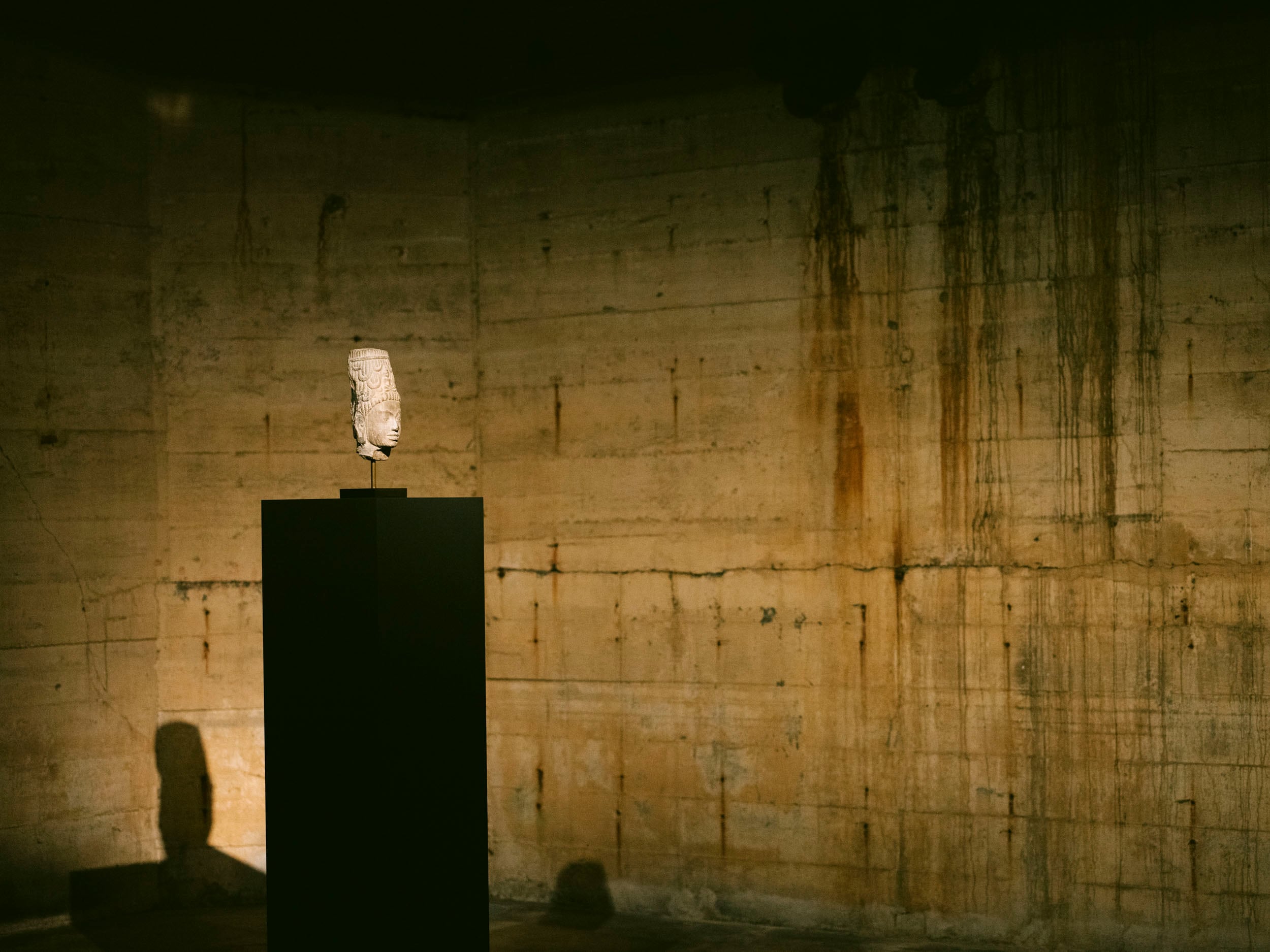
The Feuerle Puig House in Berlin, originally a World War II bunker, has been reimagined as a sanctuary for art and contemplation. This unique space now houses a diverse collection that spans ancient sculptures, contemporary art, and minimalist architecture. The transformation aims to create an environment conducive to reflection and appreciation of artistic expression. The bunker's historical significance is juxtaposed with its new role as a cultural hub. The design emphasizes a minimalist aesthetic, allowing the artworks to take center stage. Visitors can experience a blend of historical weight and modern artistic curation within its walls. The project highlights the potential for repurposing historical sites into vibrant cultural destinations. It serves as a testament to how spaces can evolve to serve new purposes while retaining echoes of their past.
The repurposing of a World War II bunker into an art sanctuary in Berlin demonstrates a fascinating interplay between historical preservation and contemporary cultural utilization. This initiative transforms a site of conflict into a space for reflection, potentially offering a new narrative for such structures. The juxtaposition of ancient artifacts with modern art within a minimalist architectural framework invites contemplation on the passage of time and the evolution of human expression. Such projects can foster dialogue about memory, trauma, and the capacity for renewal, encouraging a deeper engagement with both history and art. The long-term impact may lie in how it influences urban planning and heritage site development, prioritizing cultural enrichment and public engagement.
AI-generated to prompt reflection — not editorial opinion, not advice, not a statement of fact. How this works.