Wreckage of 1952 Pan Am Plane Found After 74 Years, Revealing Aviation Safety Turning Point
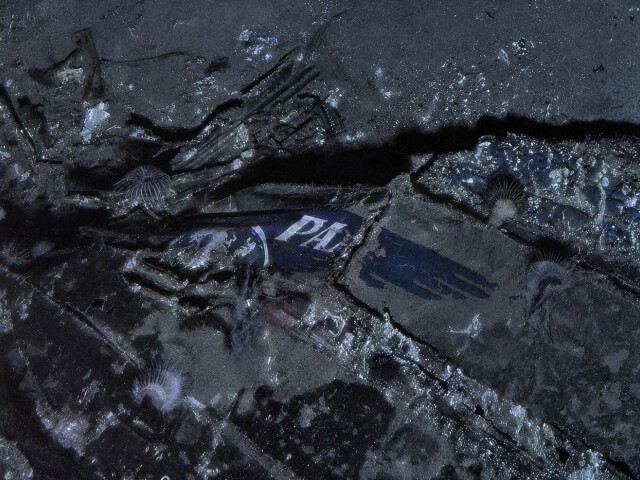
The wreckage of a Pan American Airways aircraft, which crashed into the Atlantic Ocean off the coast of Puerto Rico in 1952, has been discovered after 74 years. This tragic incident played a pivotal role in prompting significant advancements in aviation safety protocols. The discovery brings closure to a long-standing mystery and highlights the historical context of air travel's evolution. The loss of the aircraft in 1952 spurred investigations and subsequent reforms that have shaped modern air safety standards. These changes were crucial in preventing future accidents and building passenger confidence in air travel. The recovery of the wreckage offers a tangible link to this critical moment in aviation history.
The recovery of the 1952 Pan American Airways aircraft wreckage after 74 years serves as a historical marker for the evolution of aviation safety. The incident's impact on safety regulations underscores the critical feedback loop between catastrophic events and systemic improvements in high-risk industries. In the context of the accelerating AI era, understanding these historical inflection points is vital for anticipating how future technological disruptions might necessitate analogous safety paradigm shifts. The industry's ongoing challenge is to proactively identify and mitigate risks associated with emerging technologies, rather than solely reacting to incidents, thereby fostering a more resilient and trustworthy air travel ecosystem for the next decade and beyond.
AI-generated to prompt reflection — not editorial opinion, not advice, not a statement of fact. How this works.