Writer Sofía Balbuena Reflects on Marginalization of Spanish-Language Authors in Iowa
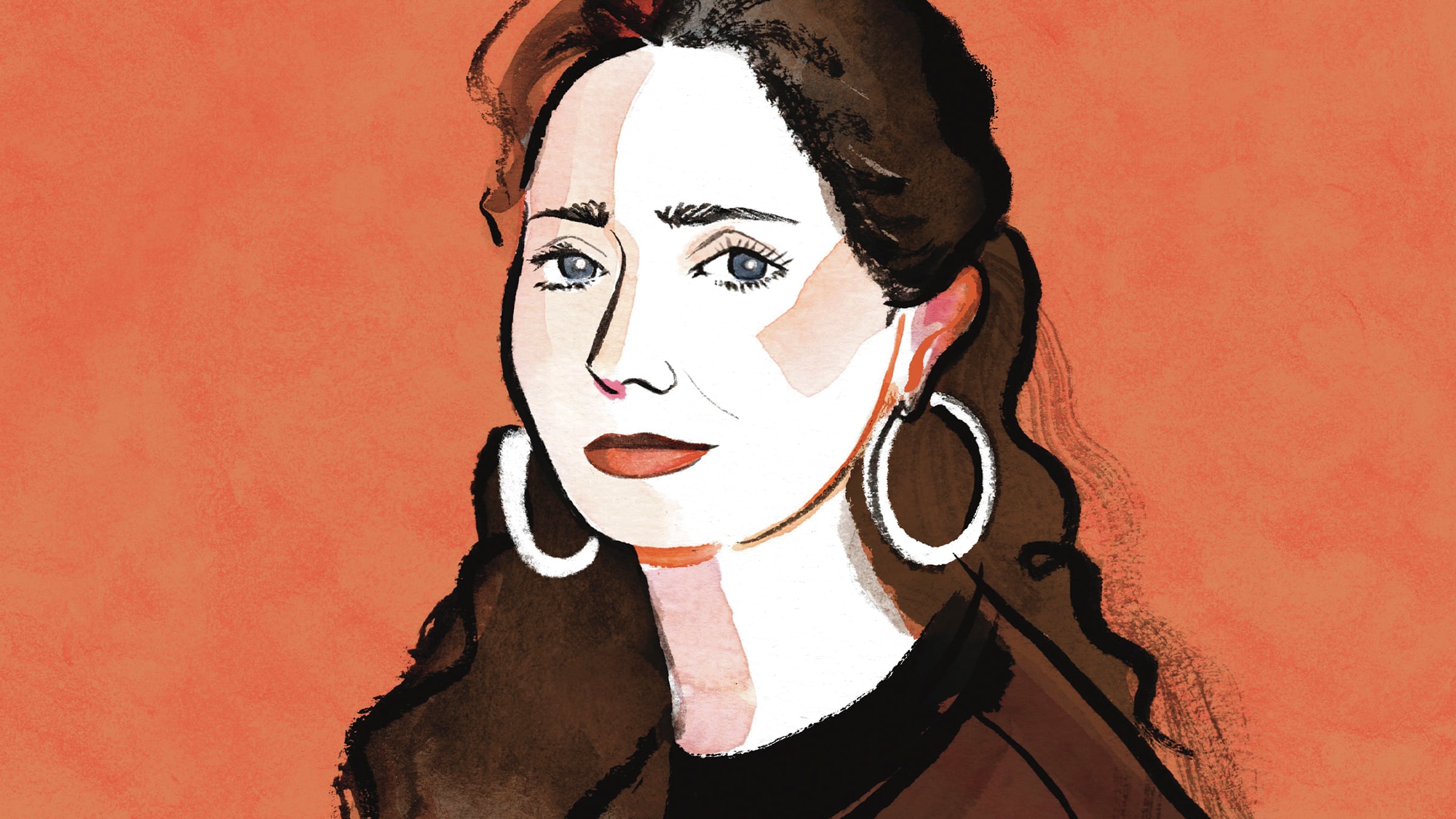
Argentine writer Sofía Balbuena has shared her experiences of feeling marginalized as a Spanish-language author in Iowa. Balbuena stated that during her time in Iowa, she realized that writers who create in Spanish are treated as insignificant, a realization that she described as putting her in her place. This sentiment stems from her exploration of various female life stages in her collection of short stories titled 'Personaje secundario' (Secondary Character). The book delves into the complexities and transitions women face throughout their lives. Balbuena's reflection highlights a broader issue concerning the visibility and recognition of non-English language literature within predominantly English-speaking literary spheres. Her work, 'Personaje secundario,' aims to give voice to these often-overlooked narratives. The author's candid observation underscores the challenges faced by minority language writers seeking broader audiences and acknowledgment.
Sofía Balbuena's experience in Iowa illuminates a systemic challenge for non-English language authors within dominant Anglophone literary markets. The perceived 'zero to the left' status highlights how market forces and institutional structures can create significant barriers to visibility and validation for writers working in languages other than English. This situation raises questions about cultural inclusivity and the economic viability of publishing in minority languages. As AI continues to advance, its potential to bridge language gaps through translation and content generation could offer new avenues for authors like Balbuena, potentially democratizing access and readership. However, the underlying issue of cultural gatekeeping and market preference for dominant languages will likely persist, requiring deliberate efforts from publishers, literary institutions, and readers to foster a more equitable global literary ecosystem.
AI-generated to prompt reflection — not editorial opinion, not advice, not a statement of fact. How this works.