Wuppertal Criticizes German Rail for "Mismanagement" Amidst Train Disruptions
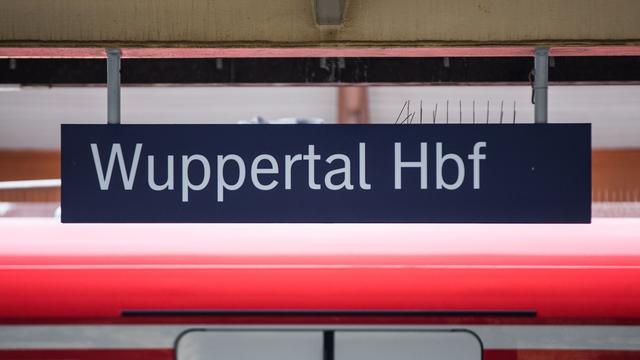
Train cancellations and delays have led to strong criticism from Wuppertal directed at Deutsche Bahn, the German national railway company. Local officials and residents are expressing frustration over what they describe as "mismanagement" by the company. The disruptions have significantly impacted daily commutes and travel plans for many in the region. Specific details regarding the extent of the cancellations or the duration of the delays were not provided in the initial report. However, the sentiment from Wuppertal indicates a severe dissatisfaction with the current state of rail service. This criticism highlights ongoing issues with punctuality and reliability within the German rail network. The situation raises questions about the operational efficiency and planning capabilities of Deutsche Bahn. Further investigation into the root causes of these disruptions is warranted to address the concerns of affected passengers and communities. The "mismanagement" label suggests a perceived failure in leadership or strategic decision-making within the railway operator.
The criticism from Wuppertal points to potential systemic issues within Deutsche Bahn's operational management and service delivery. Frequent disruptions can stem from a complex interplay of factors including infrastructure maintenance backlogs, staffing shortages, outdated technology, and potentially inefficient scheduling or crisis response protocols. The "mismanagement" accusation, while strong, invites scrutiny into Deutsche Bahn's strategic planning and investment in modernization. Over the next decade, the increasing demand for sustainable transport solutions will place greater pressure on rail networks. Addressing these operational challenges proactively will be crucial for Deutsche Bahn to maintain public trust and fulfill its role in Germany's transportation future, particularly as the nation aims to decarbonize its economy.
AI-generated to prompt reflection — not editorial opinion, not advice, not a statement of fact. How this works.