WWII Bomb Discovery Prompts Major Evacuation in Cologne
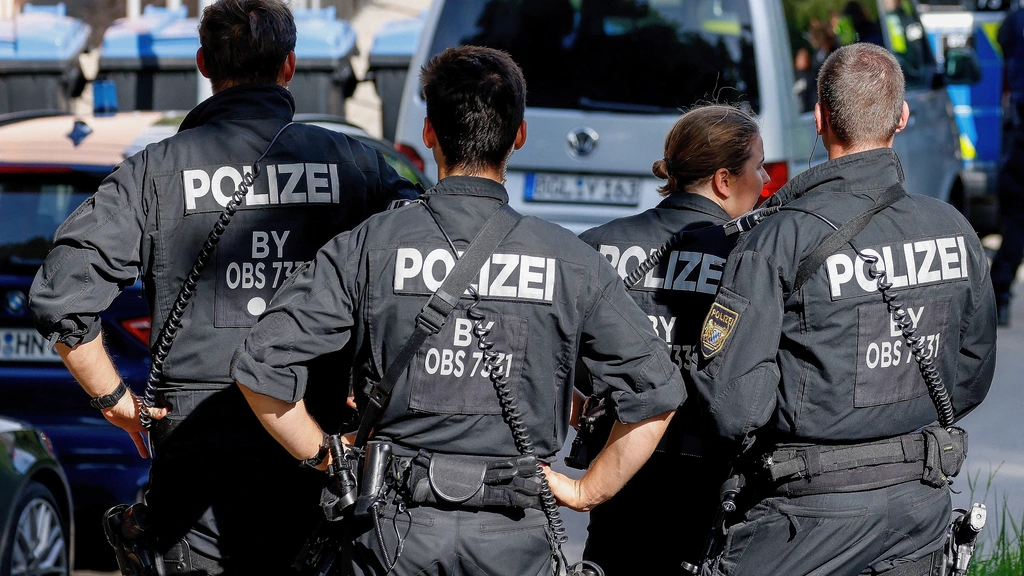
An unexploded World War II bomb was discovered this morning during construction work in Cologne, Germany, prompting a large-scale evacuation. The municipality announced the find, which necessitates the clearing of a 500-meter radius around the explosive to allow for its safe disposal. Approximately 4,300 people are being evacuated from the affected area, located in the Nippes district at Johannes-Giesberts-Park. The bomb is identified as an American 1000-pound device with front and rear fuses.
Evacuations include critical facilities such as a children's hospital, a hotel, a daycare center, a swimming pool, and the Botanical Garden/Flora Cologne. Forty-three patients, twenty of whom require intensive care, were transferred from the children's hospital to another facility. Major roads are being closed, and public transport routes rerouted. A secondary school nearby has been converted into a reception center for those displaced by the evacuation, which is currently ongoing. The exact time for the bomb's neutralization remains undetermined.
This incident is not unprecedented in Cologne, a city heavily bombed during the war. The Johannes-Giesberts-Park has been closed since June 12 for redevelopment, and authorities anticipated the potential discovery of unexploded ordnance. Experts believe more World War II munitions may still be present in the ground, especially given the park's proximity to the former Clouth factory, which was heavily targeted. In June of the previous year, 20,000 people were evacuated in the city center for the dismantling of three bombs.
The recurring discovery of unexploded ordnance in densely populated urban areas like Cologne highlights the persistent legacy of wartime infrastructure and the challenges of urban redevelopment. As cities continue to evolve and excavate, the potential for encountering such historical hazards remains a significant public safety concern. This situation underscores the importance of robust, proactive risk assessment and emergency preparedness protocols for municipal planning, particularly in regions with a history of extensive aerial bombardment. Future urban planning will likely need to integrate more sophisticated subsurface scanning technologies and contingency funds for unexpected discoveries to mitigate disruption and ensure resident safety, reflecting a long-term societal cost of past conflicts.
AI-generated to prompt reflection — not editorial opinion, not advice, not a statement of fact. How this works.