WWII Commemoration Rekindles Historical Tensions Between Poland and Ukraine
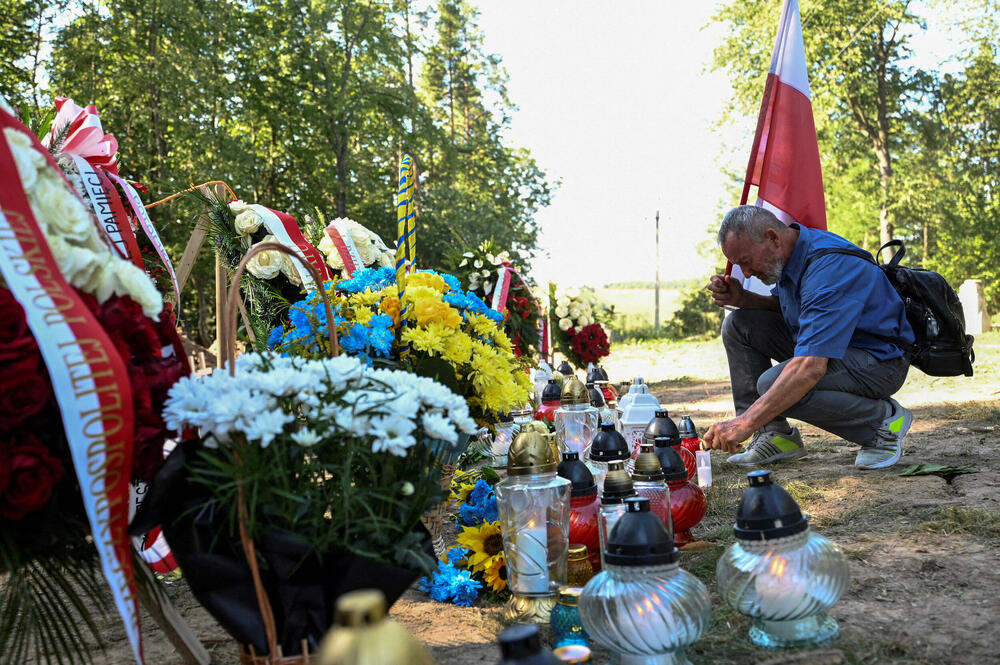
Kyiv's decision to honor World War II fighters has reignited long-standing tensions between Ukraine and Poland. These fighters are associated with the killing of approximately 100,000 Poles. The move by the Ukrainian government has brought historical grievances to the forefront, complicating current diplomatic relations. This event highlights the enduring impact of historical narratives on contemporary international affairs. The commemoration touches upon sensitive aspects of shared history that have historically divided the two nations. The current political climate in both countries may influence how this historical issue is perceived and addressed. The decision underscores the complex legacy of World War II in Eastern Europe. It also raises questions about national identity and historical memory in the region. The Polish government has yet to issue a formal response to this specific commemoration. However, the historical context suggests potential for diplomatic friction.
The commemoration of World War II figures by Kyiv, linked to the deaths of 100,000 Poles, serves as a stark reminder of how historical memory can influence contemporary geopolitical dynamics. This event highlights the challenge of reconciling national narratives, particularly when those narratives involve past atrocities. The differing interpretations of historical events can create friction between nations, impacting strategic alliances and regional stability. Moving forward, fostering dialogue that acknowledges the complexities of shared history, without necessarily demanding immediate consensus on contentious figures, may be crucial for maintaining constructive bilateral relations. The long-term implications involve navigating the delicate balance between honoring national heroes and ensuring that such acts do not undermine regional cooperation or historical reconciliation efforts.
AI-generated to prompt reflection — not editorial opinion, not advice, not a statement of fact. How this works.