WWII Memorials Serve as Solemn Reminders of War's Tragedies
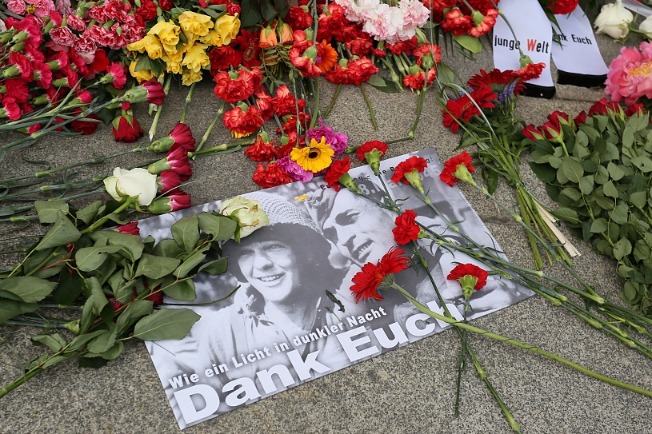
Governments of nations involved in World War II established memorial days to honor those who perished or made sacrifices. These observances aim to serve as poignant reminders of the immense tragedies inflicted by the conflict. Various countries employ different methods to ensure that the history of wartime experiences is not forgotten. These practices help to preserve the memory of the past and educate future generations about the devastating consequences of war. The ongoing commemoration underscores the enduring impact of World War II on global consciousness. By remembering these events, societies strive to prevent similar catastrophes from occurring again. The solemnity of these occasions reflects the profound loss and suffering experienced during the war. Memorials play a crucial role in fostering a collective understanding of history and promoting peace.
Memorial days for World War II serve as a critical mechanism for collective remembrance and historical education. By institutionalizing these observances, nations reinforce the societal value placed on peace and the understanding of war's human cost. This practice can foster intergenerational dialogue about historical events, potentially influencing contemporary geopolitical perspectives and promoting diplomatic solutions over conflict. The consistent commemoration highlights the long-term strategic importance of historical memory in shaping national identity and international relations, encouraging a forward-looking approach to global security.
AI-generated to prompt reflection — not editorial opinion, not advice, not a statement of fact. How this works.