WWII Shells Explode Amidst Gironde Wildfire, Hampering Firefighting Efforts
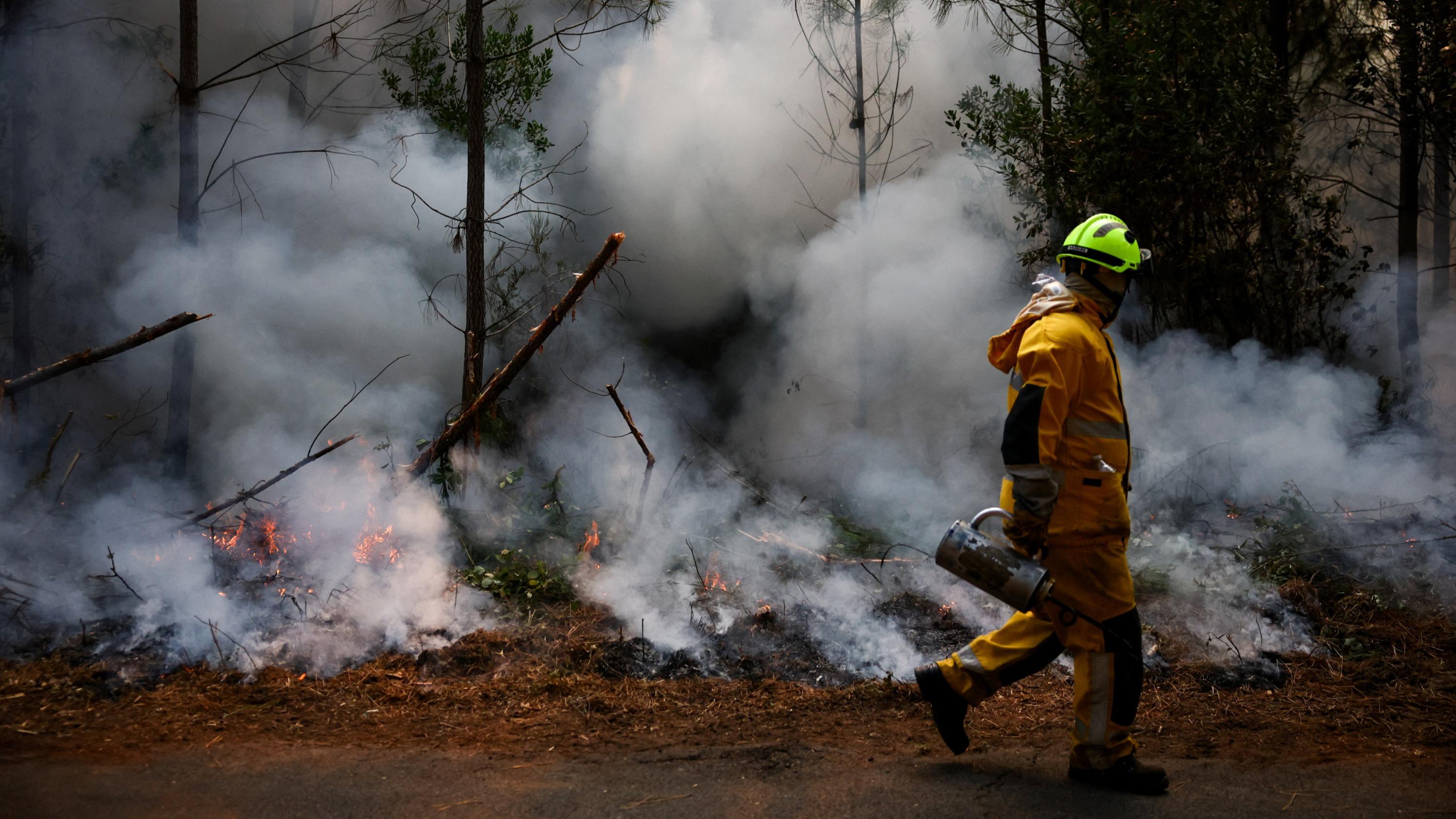
Firefighters battling a wildfire in Gironde, France, encountered a significant complication when several World War II-era shells exploded within the fire's path. The explosions, described as "more than a hundred detonations," occurred while crews were actively engaged in containing the blaze. This unexpected hazard significantly hindered the firefighters' operations, adding a dangerous and unforeseen element to the already challenging task of extinguishing the wildfire. The presence of these munitions underscores the historical layers of the landscape and the potential risks associated with human activity in areas that may contain unexploded ordnance. The incident highlights the critical need for thorough site assessments, especially in regions with a history of conflict, to ensure the safety of emergency responders.
The discovery and detonation of unexploded ordnance from World War II during a natural disaster like a wildfire presents a complex challenge for emergency management. It highlights a systemic risk where historical land use and past conflicts create latent dangers that can be activated by contemporary environmental events. This situation necessitates advanced risk assessment protocols for firefighting operations in historically significant areas, potentially requiring specialized ordnance disposal teams to be on standby. Looking ahead, such incidents may inform land-use planning and historical site management, emphasizing the long-term consequences of unexploded munitions and the need for proactive measures to mitigate future risks to public safety and emergency services.
AI-generated to prompt reflection — not editorial opinion, not advice, not a statement of fact. How this works.