Xenophobic Protests in South Africa Signal Far-Right Normalization
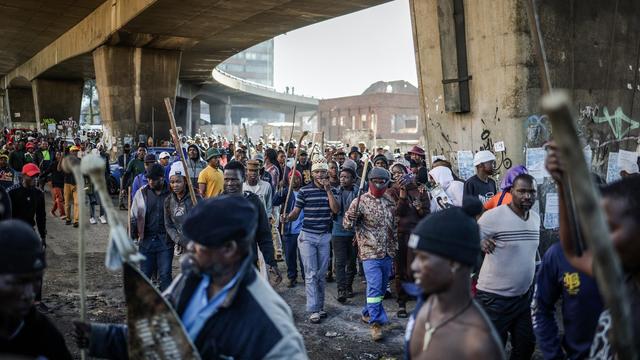
Recent migration protests in South Africa are being interpreted as the beginning of a normalization of far-right ideologies. The author draws parallels between these events and the right-wing shift observed in Europe. These protests, characterized by xenophobic sentiments, raise concerns about the increasing acceptance of extremist views within the country's political landscape. The article suggests that the "Schlapphüte," a colloquial term for individuals associated with these sentiments, are becoming more visible and vocal. This trend is seen as a worrying development, potentially leading to further social division and discrimination against migrant populations. The author invites a discussion on these parallels and their implications for South Africa's future.
The observed xenophobic protests in South Africa, framed by the source as indicative of far-right normalization, warrant a dispassionate examination of underlying socio-economic pressures and political opportunism. Such movements often exploit existing societal anxieties and economic disparities, channeling them into antagonism towards minority groups, including migrants. The comparison to European right-wing shifts highlights a potential systemic vulnerability to populist narratives that prioritize national identity over inclusivity. Future governance strategies may need to address root causes of discontent, such as unemployment and inequality, while simultaneously reinforcing legal protections and social cohesion to counter divisive rhetoric and prevent the entrenchment of discriminatory practices. The long-term implications for South Africa's integration into the global economy and its commitment to human rights principles will depend on its capacity to manage these internal tensions constructively.
AI-generated to prompt reflection — not editorial opinion, not advice, not a statement of fact. How this works.