Xenophobic Violence Displaces Thousands of Malawians from Durban
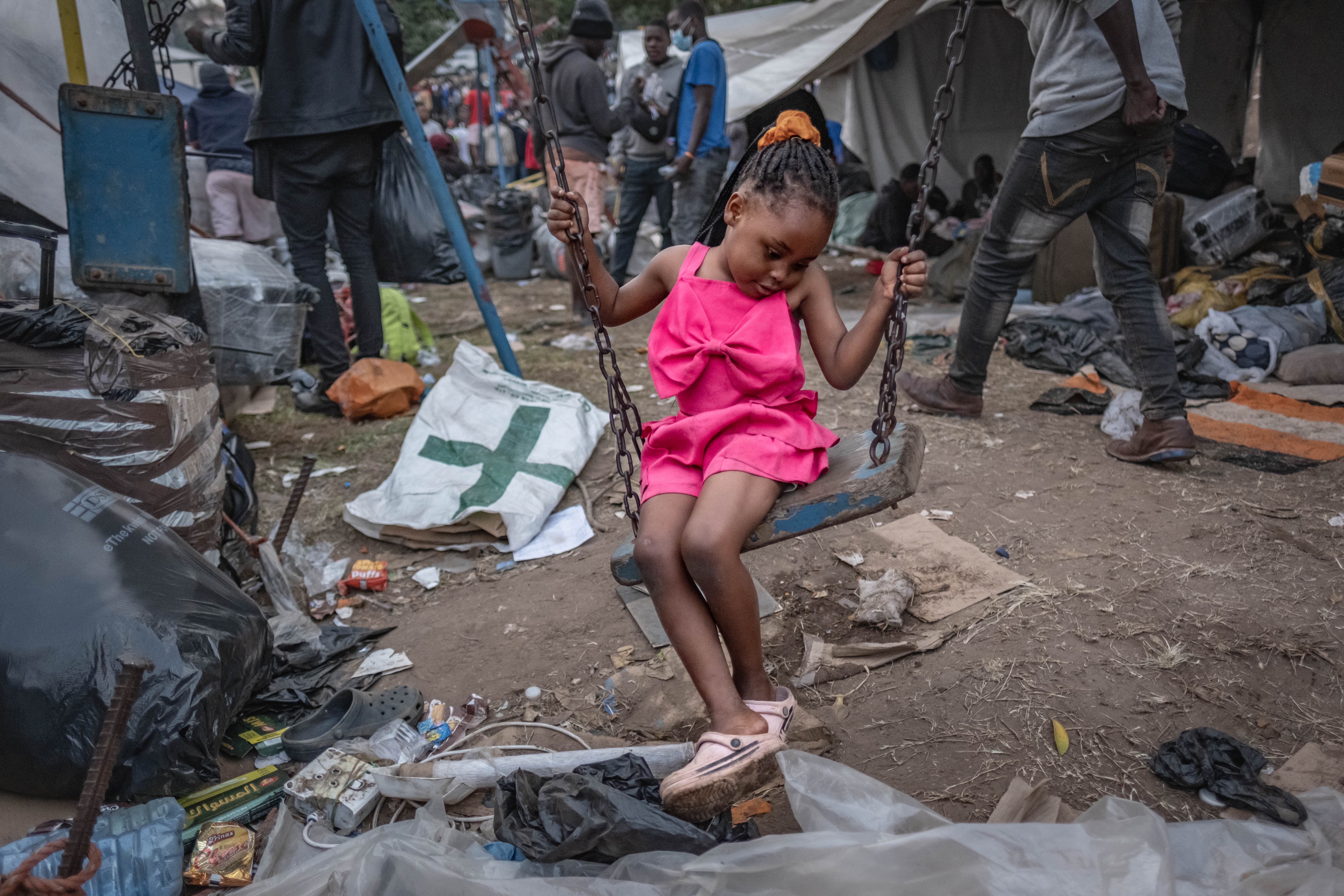
Eight-year-old Milako Kulinji is among thousands of Malawians who have been forced to flee their homes in Durban, South Africa, due to escalating xenophobic violence. Photojournalist Tommy Trenchard documented the plight of Milako and other Malawians in the Sherwood neighborhood, where a public park became a makeshift displacement camp. The recent weeks have witnessed a significant increase in anti-migrant protests and violence across South Africa, often targeting foreign nationals. Many Malawian families, like Milako's, report feeling unsafe and express a strong desire to return to their home country. As a result of the ongoing crisis, the South African government announced on Monday that it had facilitated the repatriation of approximately 7,000 Malawians. The situation highlights the persistent challenges of xenophobia and migrant integration within South Africa.
The events in Durban underscore a recurring pattern of xenophobic violence in South Africa, disproportionately affecting migrant communities. This phenomenon is often fueled by socio-economic pressures, perceived competition for resources, and political rhetoric that can scapegoat foreign nationals. The displacement of thousands, including children like Milako Kulinji, points to systemic governance challenges in ensuring the safety and integration of all residents. While repatriation offers immediate relief for some, it does not address the underlying causes of xenophobia. Future policy interventions will need to focus on fostering social cohesion, enforcing anti-discrimination laws, and creating economic opportunities that benefit both local and migrant populations to prevent the recurrence of such human rights crises.
AI-generated to prompt reflection — not editorial opinion, not advice, not a statement of fact. How this works.