Xi Jinping Calls for Global AI Governance, Criticizes US Tech Curbs
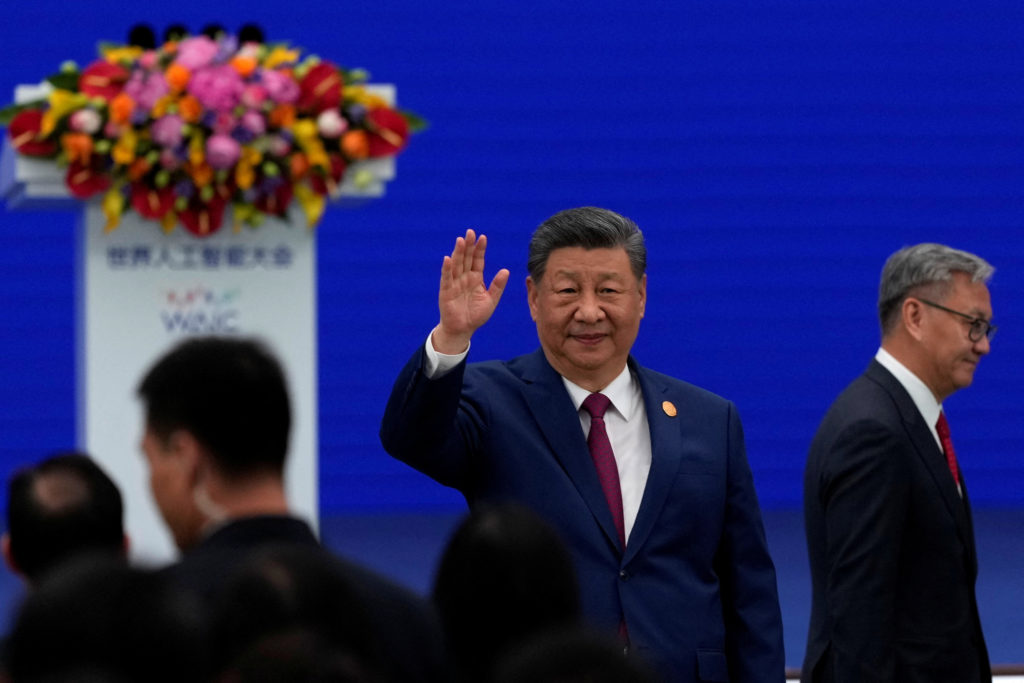
Chinese President Xi Jinping emphasized on Friday that the development and governance of artificial intelligence should be a collective global endeavor. During his remarks, he reiterated China's stance against what he described as the excessive application of national security concerns in technological matters. This suggests a call for international cooperation in shaping AI's future, while simultaneously voicing disapproval of policies that restrict technology sharing, particularly those enacted by the United States. The statement implies a desire for a more open and collaborative approach to AI development, potentially challenging existing geopolitical dynamics in the tech sector.
AI governance is emerging as a critical geopolitical arena, with nations advocating for distinct approaches. China's call for global efforts in AI development and governance, coupled with its criticism of US tech curbs, highlights a divergence in strategic priorities. While China frames its position around shared responsibility and open collaboration, the US often emphasizes national security and competitive advantage. This dynamic raises questions about the feasibility of unified global AI standards and the potential for technological decoupling. Future AI development may be shaped by competing governance models, influencing international trade, research collaboration, and the equitable distribution of AI's benefits and risks.
AI-generated to prompt reflection — not editorial opinion, not advice, not a statement of fact. How this works.