Xi Jinping's Keynote at Shanghai AI Conference Amid US Tensions
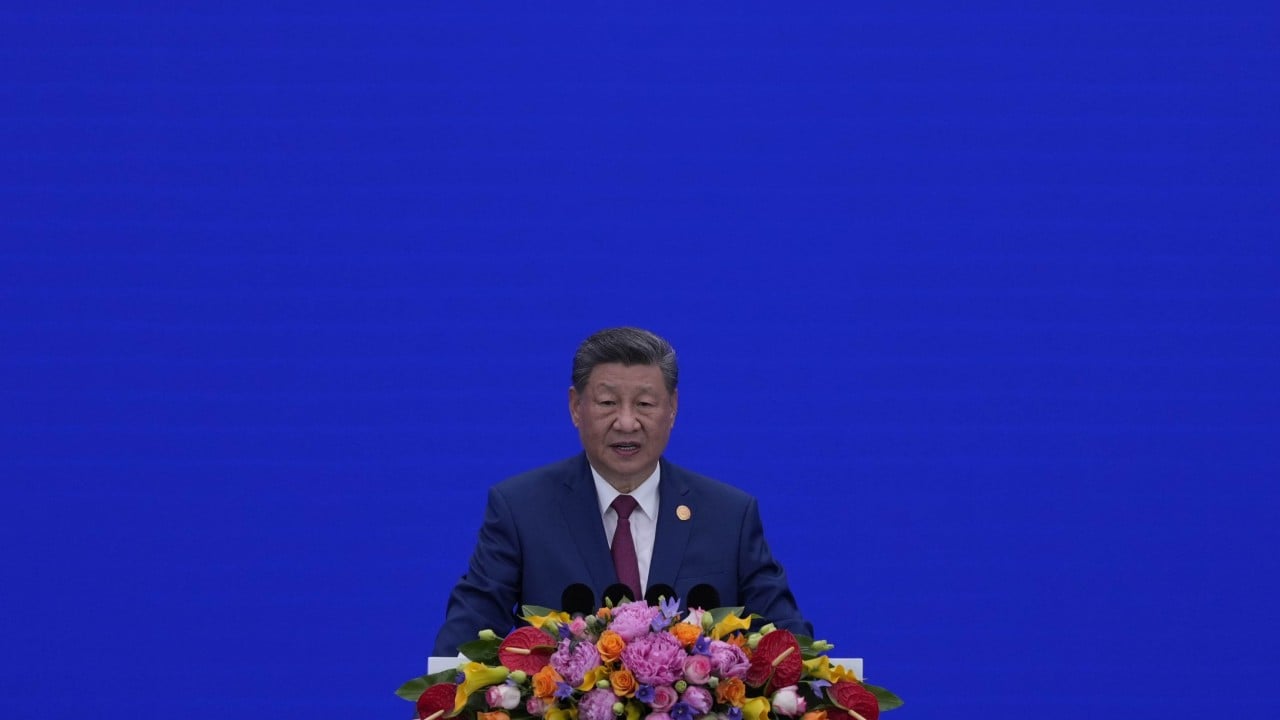
Chinese President Xi Jinping delivered his inaugural keynote address at the World AI Conference (WAIC) in Shanghai, marking a significant moment for China's premier artificial intelligence event. This address occurred shortly after US President Donald Trump accused China of orchestrating a major election data breach during a national broadcast. The contrasting messages from the leaders of the two global powers are expected to intensify existing geopolitical tensions. The conference itself serves as a platform for global leaders, researchers, and industry professionals to discuss advancements and challenges in artificial intelligence. Xi's participation underscores China's commitment to becoming a leader in AI development and innovation. The WAIC typically features discussions on AI ethics, applications across various sectors, and the future of the technology. This year's event, with Xi's prominent address, highlights the strategic importance China places on AI. The juxtaposition of Xi's speech with Trump's accusations suggests a complex and potentially contentious landscape for international AI cooperation and competition.
President Xi Jinping's address at the World AI Conference occurs within a context of escalating technological competition and differing national approaches to data governance and security. The timing, juxtaposed with US accusations regarding election data, highlights the geopolitical implications of AI development. While China emphasizes AI's role in national progress and economic growth, the US focus on data security and alleged breaches points to divergent priorities. This dynamic suggests a future where international AI collaboration may be increasingly shaped by national security concerns and trust deficits, potentially leading to bifurcated technological ecosystems. The event serves as a critical juncture for understanding how global AI governance frameworks will evolve amidst these competing interests and technological ambitions over the next decade.
AI-generated to prompt reflection — not editorial opinion, not advice, not a statement of fact. How this works.