Xoma: A Lima Restaurant Blending High-Tech Gastronomy with Interactive Performance
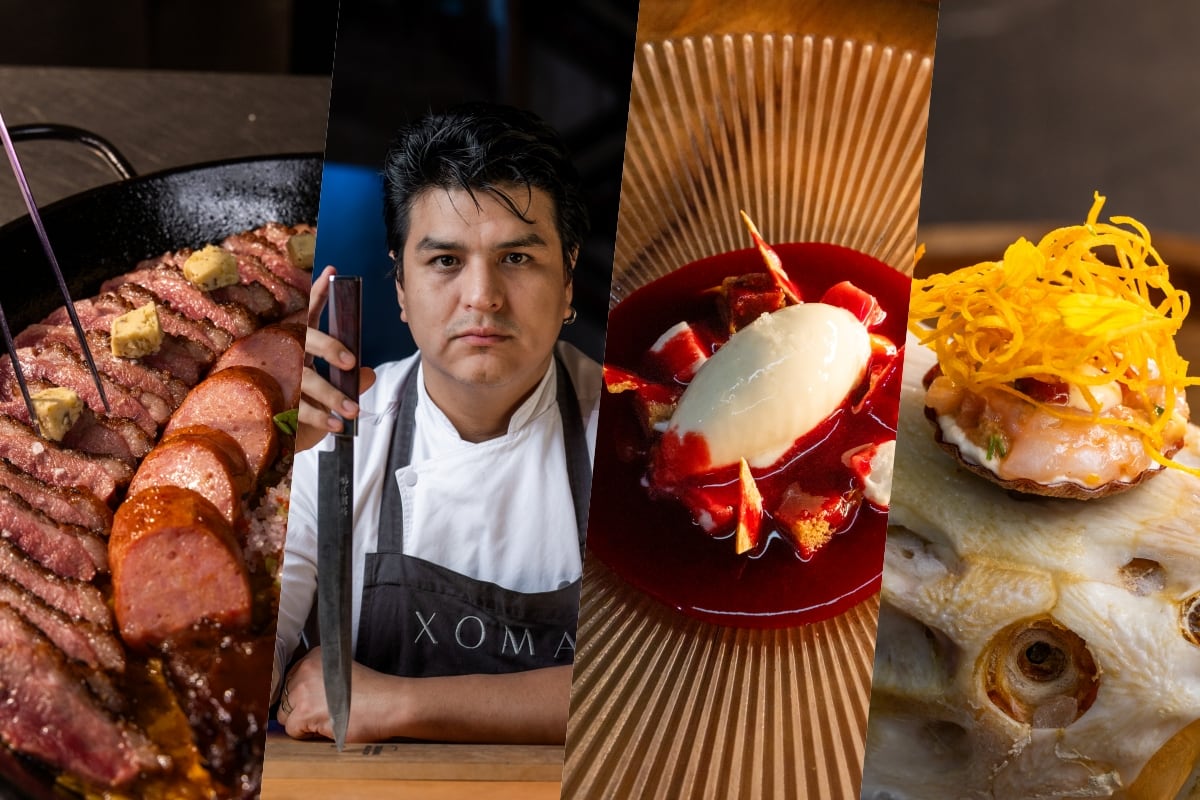
Xoma, located in Miraflores, Lima, operates as a dual concept: a high-tech gastronomic laboratory and an interactive performance space. Chef Ralph Zúñiga, trained at Institut Paul Bocuse and with Paco Pérez, leads the laboratory side, focusing on precise techniques and ingredient transformation. He utilizes methods like curing fish with camembert mycelium and beef with penicillium nalgiovense, a process taking fifteen days under controlled conditions to enhance umami and texture. This results in dishes like a matured beef with hazelnut and mushroom notes, and a "25 Spice Skillet" that reimagines traditional Peruvian lomo saltado with langoustines and a fried egg.
While the laboratory emphasizes precision, Xoma gained fame for its interactive experiences, such as the viral "Love is Blind" blindfolded dinner. However, the demand for visual engagement led Zúñiga to introduce a second menu that incorporates theatrical elements. This includes cocktails presented with elaborate props, like a wooden house with balloons, and dishes inspired by childhood memories, such as a duck dish evoking his mother's cooking and animated shows. The menu itself is intentionally sparse, listing only ingredients, with detailed explanations of the techniques provided by the waitstaff. Zúñiga questions Lima's readiness for his laboratory's complexity, while the reviewer ponders the necessity of performance for scientific gastronomy and vice versa. Xoma's daring approach of maintaining two distinct concepts under one roof challenges conventional restaurant branding, showcasing both bravery and significant risk.
Xoma's dual concept presents a fascinating case study in the evolving landscape of fine dining, where culinary innovation increasingly intersects with experiential entertainment. The establishment's deliberate bifurcation into a precision laboratory and a performance stage highlights a tension between scientific rigor and consumer engagement. This strategy, while potentially captivating, risks diluting brand identity and confusing diners accustomed to singular, clearly defined restaurant concepts. The success of such a model may hinge on the seamless integration of these two seemingly disparate elements, ensuring that the interactive showmanship enhances, rather than distracts from, the sophisticated gastronomic techniques. As AI continues to influence food production and preparation, restaurants like Xoma may offer a glimpse into future dining paradigms that prioritize not only taste and technique but also immersive, multi-sensory experiences, challenging traditional notions of what a restaurant can and should be.
AI-generated to prompt reflection — not editorial opinion, not advice, not a statement of fact. How this works.