Yaba Addiction Epidemic Devastates Lives in Bangladesh
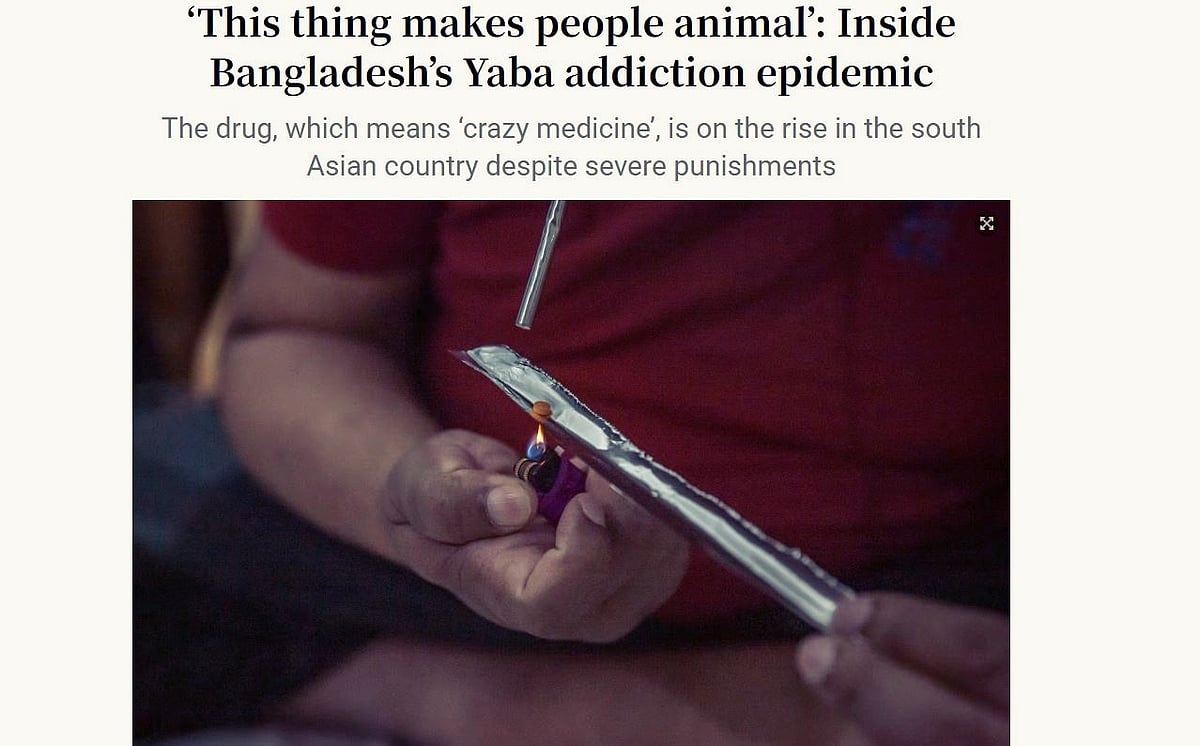
A growing epidemic of Yaba addiction is destroying lives across Bangladesh, with an estimated millions of users struggling with the methamphetamine and caffeine-based drug. The substance, whose Thai name translates to 'mad medicine,' is reportedly consumed by heating a tablet on aluminum foil and inhaling the fumes. Users describe experiencing intense highs followed by prolonged periods of sleep, and severe psychological and physical deterioration. One individual, using the pseudonym 'MetalFreek,' shared his struggle, noting how the drug has ruined his mental state and relationships, leading him to lose friends and his business.
Official figures indicate that approximately 5% of Bangladesh's 175 million population is addicted to drugs, a crisis exacerbated by the proliferation of synthetic and semi-synthetic substances. In response, the government has recently approved a bill introducing the death penalty for certain drug-related offenses, classifying Yaba as a Class-A illegal drug. This follows a stringent anti-drug campaign initiated in 2018 under a previous administration, which resulted in over 200 deaths and widespread fear, particularly in impoverished areas, according to human rights organizations.
Despite these measures, Yaba use continues to rise, with experts emphasizing the critical need for improved mental healthcare services. The country faces a severe shortage of psychiatrists and psychologists, with only about 350 psychiatrists nationwide. Many individuals with mental health needs, estimated at 90% according to a 2018-19 survey, do not receive treatment due to stigma and lack of access. The drug's accessibility and its role as a coping mechanism for underlying mental health issues or economic hardship contribute to its widespread use, with Myanmar identified as a primary source country for Yaba entering Bangladesh.
The escalating Yaba addiction crisis in Bangladesh highlights a complex interplay of socioeconomic factors, inadequate mental healthcare infrastructure, and the global illicit drug trade. While law enforcement measures, including capital punishment, are being intensified, the root causes—such as lack of accessible mental health support, economic precarity, and the drug's low cost and high availability—remain largely unaddressed. The situation underscores a systemic challenge where punitive approaches may not effectively mitigate demand without concurrent investment in public health, education, and economic opportunities. Future strategies must integrate harm reduction, robust mental healthcare access, and community-based interventions to address the multifaceted nature of addiction, rather than relying solely on prohibition and punishment, which historically have proven insufficient and can lead to human rights concerns.
AI-generated to prompt reflection — not editorial opinion, not advice, not a statement of fact. How this works.