Yale Scientists Identify Potential Pathway for Parkinson's Spread
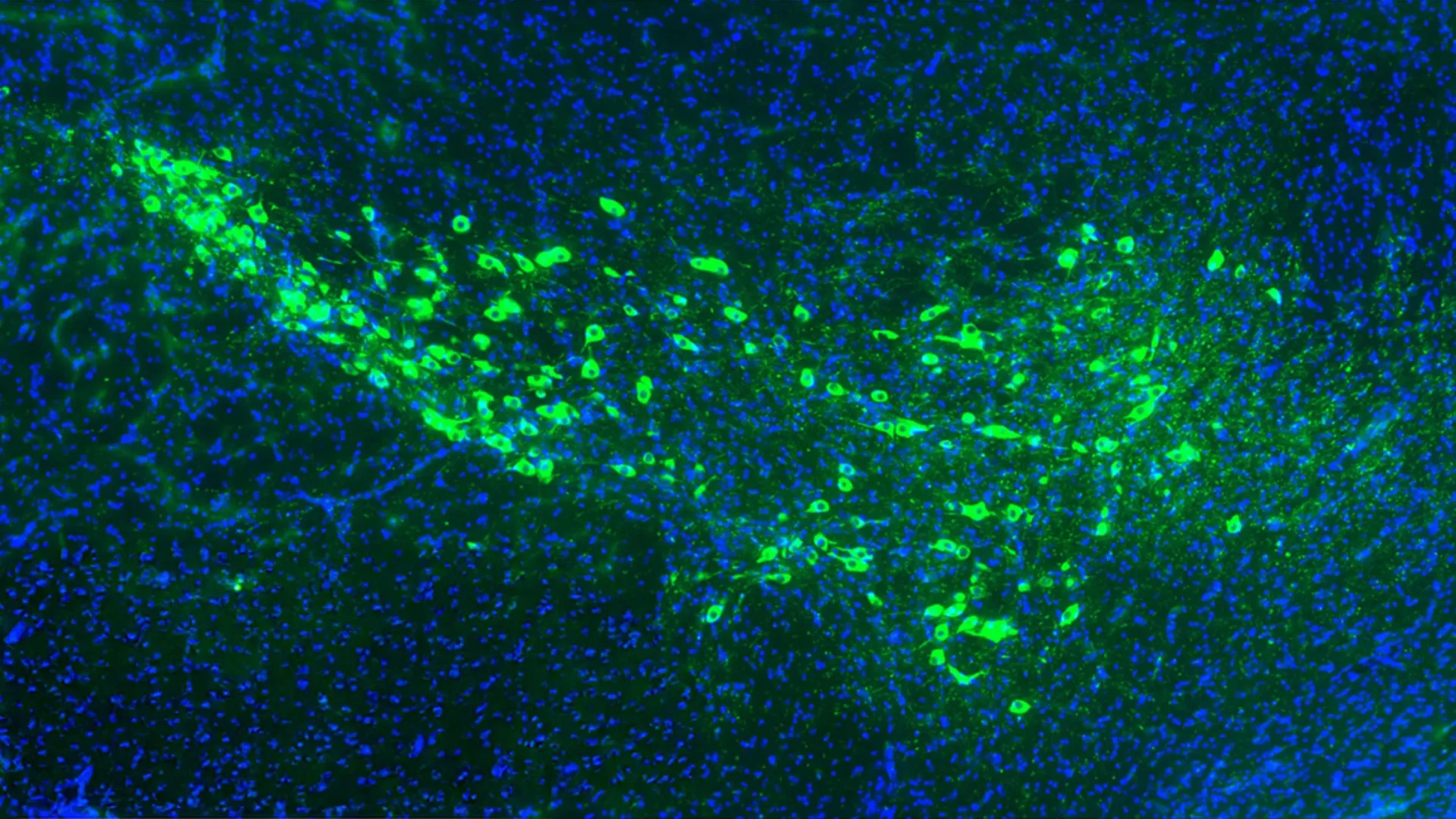
Researchers at Yale University have identified two proteins on the surface of neurons that may facilitate the spread of alpha-synuclein, the toxic protein associated with Parkinson's disease. This discovery offers a significant new avenue for developing therapies to combat the neurodegenerative disorder. In laboratory experiments involving mice, the scientists were able to block the action of these identified neuron surface proteins. This intervention resulted in a dramatic reduction in the progression of the disease within the animal models. The findings suggest that targeting these specific proteins could be a promising strategy for future Parkinson's treatments. The research focuses on understanding the mechanisms by which the disease propagates through the brain, aiming to halt or slow its devastating effects. This breakthrough represents a crucial step forward in the ongoing scientific effort to find effective ways to manage and potentially cure Parkinson's disease.
This research from Yale scientists offers a potential breakthrough in understanding Parkinson's disease progression by identifying specific neuron surface proteins involved in the spread of toxic alpha-synuclein. By demonstrating that blocking these proteins in mice significantly slowed disease advancement, the study highlights a promising therapeutic target. Future drug development could focus on inhibiting these protein interactions to prevent or mitigate the neurodegenerative cascade. This approach aligns with a broader trend in neuroscience research to identify precise molecular mechanisms driving disease pathology, moving beyond symptomatic treatment towards disease modification. The long-term implications could involve novel preventative strategies or treatments that halt the disease in its early stages, significantly improving patient outcomes and reducing the societal burden of Parkinson's.
AI-generated to prompt reflection — not editorial opinion, not advice, not a statement of fact. How this works.