Yaoundé Imposes Unique Digital ID on Taxis for Enhanced Urban Transport
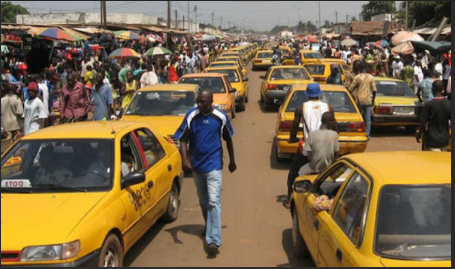
Yaoundé, Cameroon, is implementing a mandatory digital identification system for all taxis operating within the city limits. This initiative, mandated by Mayor Luc Messi Atangana through a decree dated June 25, 2026, aims to modernize, secure, and formalize the urban transport sector. The operation involves a digital registration process for both taxi owners and drivers, conducted at the city hall and district municipal offices. Each registered driver will receive a unique personal QR code, while their vehicles will be assigned a distinct door number, replacing previous identification methods. To complete the registration, drivers and owners must present identification documents, transport licenses, vehicle registration papers, and proof of technical inspection and insurance. All collected data will be stored on a dedicated platform named Taxi-Yaoundé.com. Developed by the urban community with support from the German development agency GIZ, this platform will serve as a centralized database. The system is designed to improve traceability, enhance passenger safety, combat the informal sector, and strengthen transport governance. Authorized services will have access to the data, which is part of the Yaoundé Urban Mobility Project. The platform aims to streamline taxi monitoring, facilitate inspections, reduce fraud, and bolster user protection.
This initiative by Yaoundé's municipal authorities represents a significant step towards formalizing and digitizing urban transport services. By introducing a unique digital identifier and a centralized database, the city aims to enhance accountability, security, and operational efficiency within the taxi sector. The integration of technology, supported by international cooperation, addresses the challenges of informality and improves governance. Looking ahead, the success of this system will depend on robust data protection measures, user adoption, and the ability to adapt to evolving technological landscapes. Such digital transformation efforts are crucial for creating more responsive and reliable urban infrastructure in the face of increasing population density and mobility demands.
AI-generated to prompt reflection — not editorial opinion, not advice, not a statement of fact. How this works.