Yarra Council Cancels E-bike Contract Over Operator's Alleged Lack of Enforcement
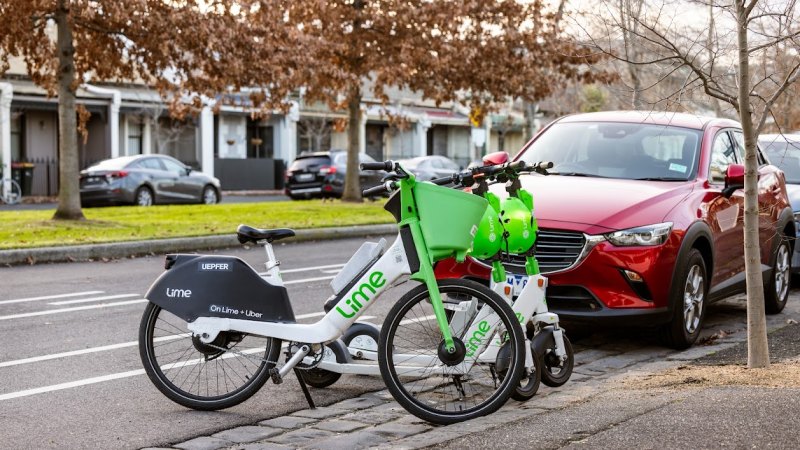
Yarra City Council has terminated its contract with e-bike operator Lime, accusing the company of "taking the mickey" out of local ratepayers. The council cited Lime's alleged failure to adequately address issues such as illegal parking of e-bikes, riders using footpaths, and instances of drunk users. These persistent problems have reportedly led to frustration among residents and a breakdown in trust between the council and the operator. The decision to tear up the deal signifies the council's strong stance on enforcing regulations and ensuring public safety and convenience within the inner-city municipality. It raises questions about the accountability of shared mobility providers and their responsibility to manage user behavior effectively. The council's action underscores the challenges faced by urban areas in integrating new mobility solutions while maintaining order and respecting community standards. Further details on the specific penalties or enforcement actions that were allegedly missed by Lime were not immediately available.
The termination of the e-bike contract highlights the ongoing tension between the integration of new mobility services and the maintenance of public order in urban environments. Councils face the challenge of balancing the convenience and environmental benefits offered by shared e-bikes against the potential for misuse, such as improper parking and unsafe riding practices. The operator's alleged failure to enforce usage rules suggests a potential disconnect between service provision and the necessary regulatory oversight. This situation prompts consideration of the governance models for shared mobility platforms, particularly regarding the allocation of responsibility for user behavior and the effectiveness of enforcement mechanisms. Future contracts may need to incorporate more robust performance metrics and penalty clauses to ensure operators actively manage their fleets and user compliance, thereby fostering a more sustainable and harmonious coexistence of shared mobility with existing urban infrastructure and community expectations.
AI-generated to prompt reflection — not editorial opinion, not advice, not a statement of fact. How this works.