Yellow Anaconda Infested with Ticks: Understanding the Dangers in the Pantanal
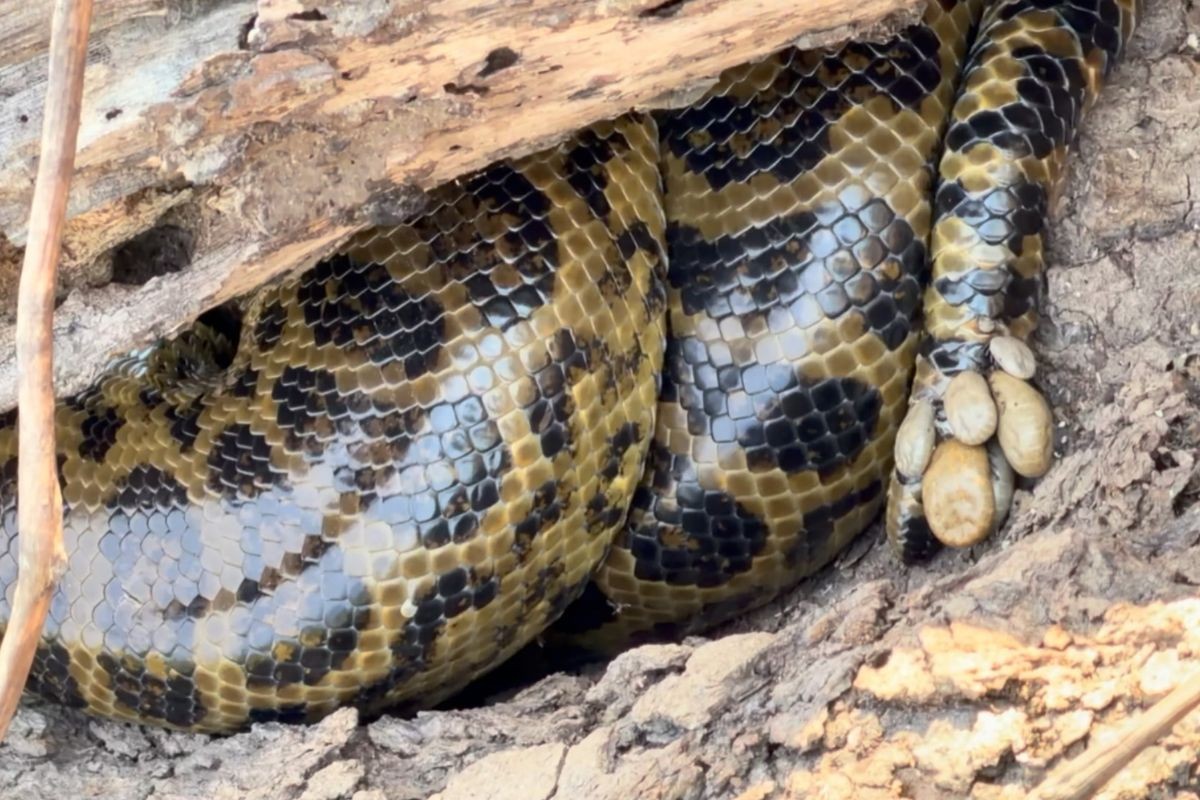
Images of a yellow anaconda heavily infested with ticks in the Pantanal have gone viral, prompting questions about the health risks to the serpent. Biologist Henrique Abrahão explained that while a small number of ticks are natural for snakes, a severe infestation signals a compromised immune system and can be life-threatening. Ticks, which are arthropods, attach to hosts to feed on blood and can transmit diseases. Veterinarian Kalena Barros da Silva from the Butantan Institute noted that encountering ticks is inevitable in natural habitats, and snakes, like any animal, are susceptible. Normally, a balance exists; snakes shed parasites through their natural behaviors like slithering, swimming, or shedding skin. However, this balance is disrupted when the snake is weakened by illness, stress, or environmental factors like the Pantanal's high temperatures and drought. The heavily tick-infested anaconda likely indicates it was already ill and had been out of the water for an extended period. Such severe infestations can lead to anemia due to significant blood loss, leaving the snake further weakened and vulnerable. The yellow anaconda, smaller than the green anaconda, is non-venomous and kills prey by constriction. It typically measures 2.4 to 4.6 meters and weighs around 30-40 kilograms, inhabiting swamps and marshes but also forests and caves. Its diet includes birds, eggs, fish, reptiles, and small mammals, occasionally larger prey like deer or capybaras.
The viral images of a heavily tick-infested yellow anaconda in the Pantanal highlight the delicate balance between wildlife and environmental stressors. While tick infestations are a natural phenomenon, extreme cases suggest underlying vulnerabilities in the host animal, potentially exacerbated by habitat conditions such as drought and high temperatures. This situation underscores the importance of monitoring ecosystem health, as compromised individual animals can serve as indicators of broader environmental distress. The incident prompts consideration of how climate change and habitat degradation might increase the prevalence of such parasitic burdens on wildlife populations, potentially leading to cascading effects on species health and survival rates in the coming decade.
AI-generated to prompt reflection — not editorial opinion, not advice, not a statement of fact. How this works.
