Yemen's Houthis Declare Maritime Embargo on Saudi Arabia, Threaten Key Global Shipping Lanes
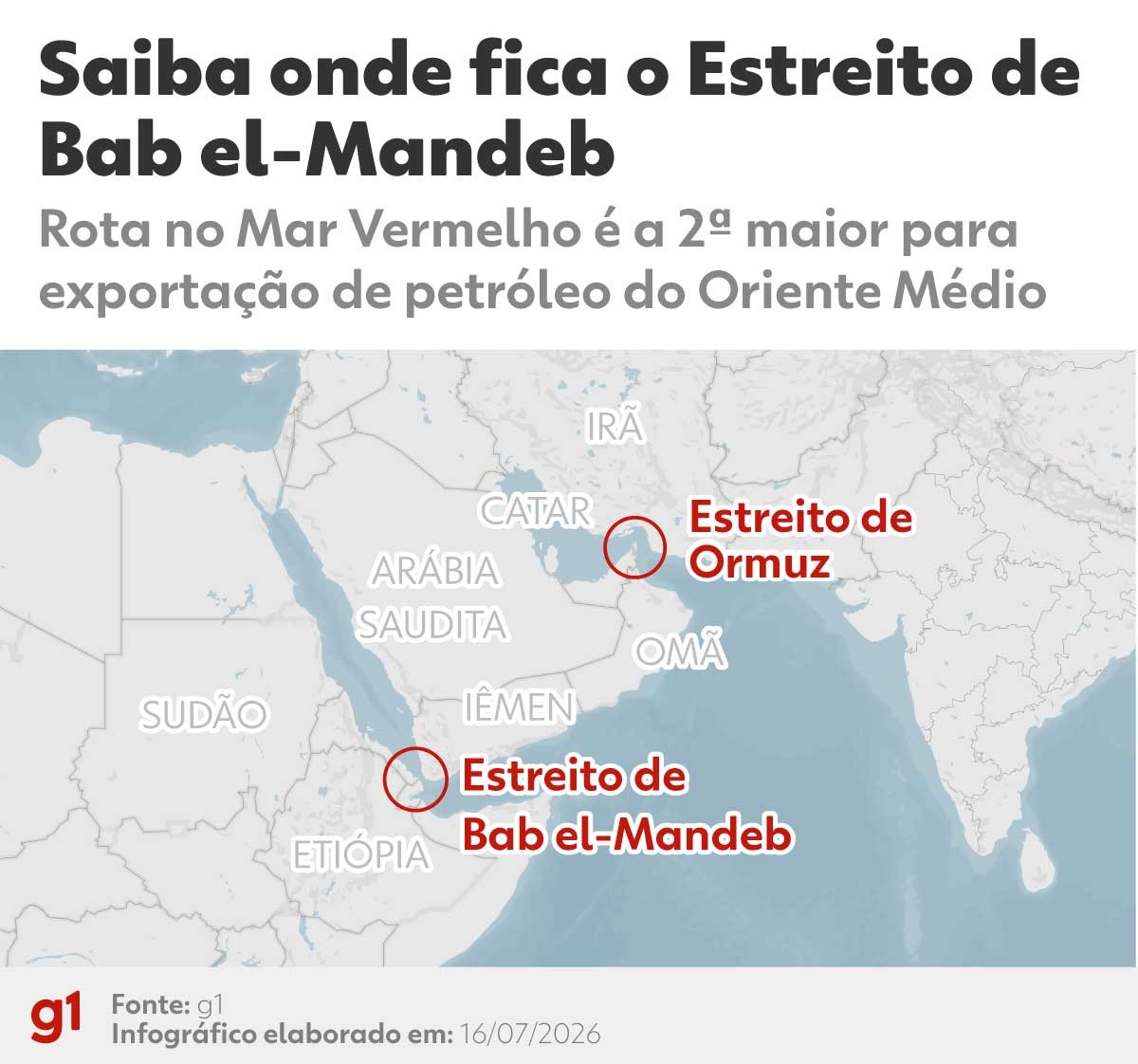
The Houthi group in Yemen announced a maritime embargo against Saudi Arabia on Monday, November 20th, labeling the neighboring nation as "criminal" in a press statement. This action follows reports from Thursday, November 16th, indicating the Houthis were prepared to close the Bab el-Mandeb Strait, a critical oil shipping route in the Red Sea, should the United States attack Iranian energy infrastructure. Discussions regarding this potential blockade reportedly occurred between Iranian leadership and Houthi representatives in Iran. A source close to the Houthis stated that preparations, including missile and drone deployment near the strait, are complete and awaiting orders. The decision to close the Bab el-Mandeb Strait is said to be controlled by representatives of Iran's Islamic Revolutionary Guard Corps (IRGC) present in Yemen. The Bab el-Mandeb Strait is the Middle East's second-largest oil export route after the Strait of Hormuz. A Houthi disruption in the Red Sea, combined with existing issues at Hormuz, would significantly impact global oil exports and escalate the broader conflict between Iran and the U.S. Iran views the Houthis as part of its regional "Axis of Resistance." The U.S. alleges Iranian support for the Houthis, which Tehran denies. The Houthis had previously threatened Saudi Arabia on Thursday, with leader Abdul Malik al-Houthi vowing missile and drone attacks on Saudi oil and vital facilities if Riyadh intervened in the Iran-U.S. conflict. On Monday, November 13th, the Houthis launched missiles at Saudi Arabia, breaking a four-year truce after accusing the kingdom of bombing an airport under their control.
The Houthi declaration of a maritime embargo and threats against Saudi Arabia, framed within the broader Iran-U.S. regional tensions, highlight the strategic importance of global chokepoints like the Bab el-Mandeb Strait. This incident underscores how non-state actors, allegedly supported by state powers, can leverage control over vital trade routes to exert significant geopolitical influence. The potential disruption to global energy markets and shipping, particularly when combined with existing pressures on the Strait of Hormuz, presents a complex challenge for international stability. Future scenarios may involve increased efforts by global powers to secure these maritime passages, potentially leading to further escalation or the development of alternative trade routes. The interconnectedness of regional conflicts with global economic systems is increasingly evident, demanding sophisticated diplomatic and security strategies to mitigate cascading risks.
AI-generated to prompt reflection — not editorial opinion, not advice, not a statement of fact. How this works.