Yemeni FM: Houthis aim to control Red Sea shipping like Iran in Hormuz
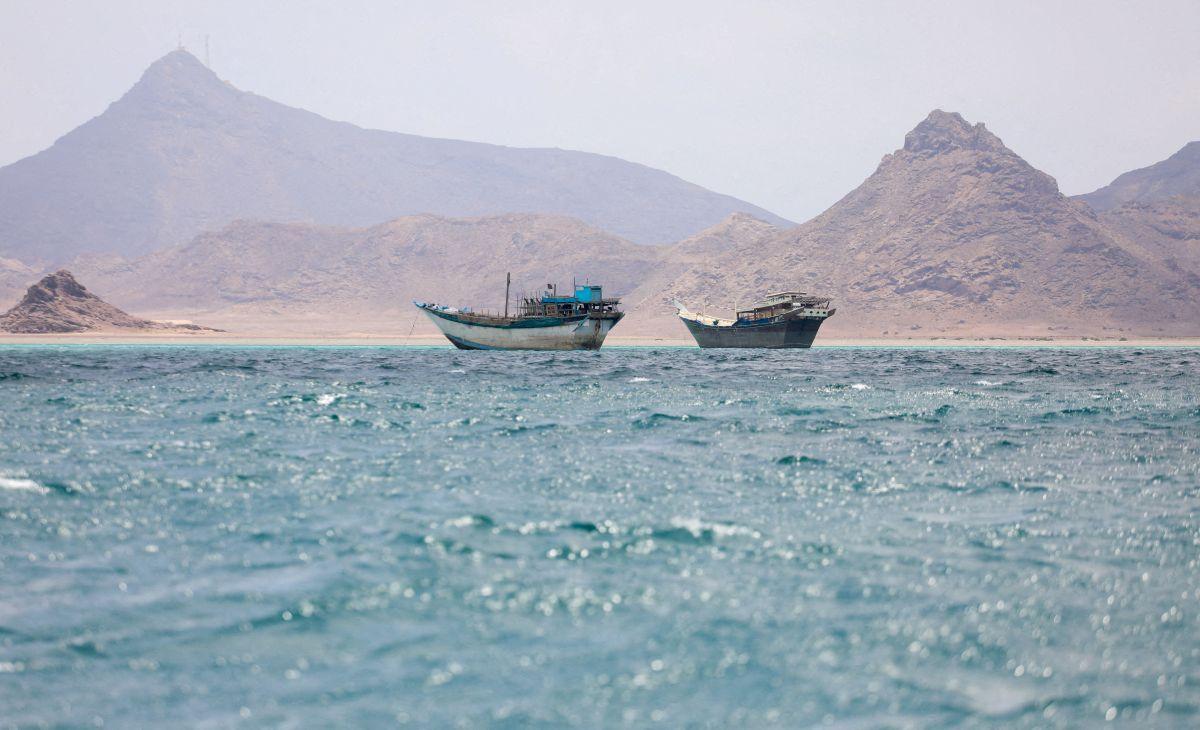
Yemen's Foreign Minister stated on Monday that the Houthi Movement is actively working to emulate Iran's strategy of controlling maritime traffic in the Strait of Hormuz within the Red Sea. The Houthis intend to achieve this by disrupting shipping routes, particularly in the Bab el-Mandeb strait. According to the minister, the group has been encouraged in its actions by what it perceives as an inadequate international response to its activities. This geopolitical maneuver signals a broader regional ambition by the Houthis to exert significant influence over vital global shipping lanes. The comparison to Iran's actions in the Strait of Hormuz highlights concerns about escalating tensions and potential impacts on international trade and security. The minister's statement underscores the growing strategic importance of the Red Sea and the Bab el-Mandeb as critical chokepoints for global commerce. The international community's reaction, or lack thereof, is seen by the Houthis as a permissive environment for their assertive actions.
The Houthi movement's stated intention to replicate Iran's Strait of Hormuz strategy in the Red Sea's Bab el-Mandeb strait represents a significant escalation in regional maritime security concerns. This approach, if successful, could leverage chokepoint control to exert considerable geopolitical and economic leverage. The perceived insufficient international response may embolden further assertive actions, suggesting a potential miscalculation of global tolerance for such disruptions. From a systemic perspective, this situation highlights the vulnerability of global supply chains to localized conflicts and the challenges of maintaining freedom of navigation in contested waters. Future international policy may need to address the underlying geopolitical incentives driving such actions, balancing de-escalation with the imperative of securing international trade routes. The long-term implications could involve increased maritime insurance costs, rerouting of trade, and a heightened risk of broader regional conflict, impacting global economic stability.
AI-generated to prompt reflection — not editorial opinion, not advice, not a statement of fact. How this works.