Yemeni Rebels Threaten Oil Route Blockade, Fueling Global Price Hikes
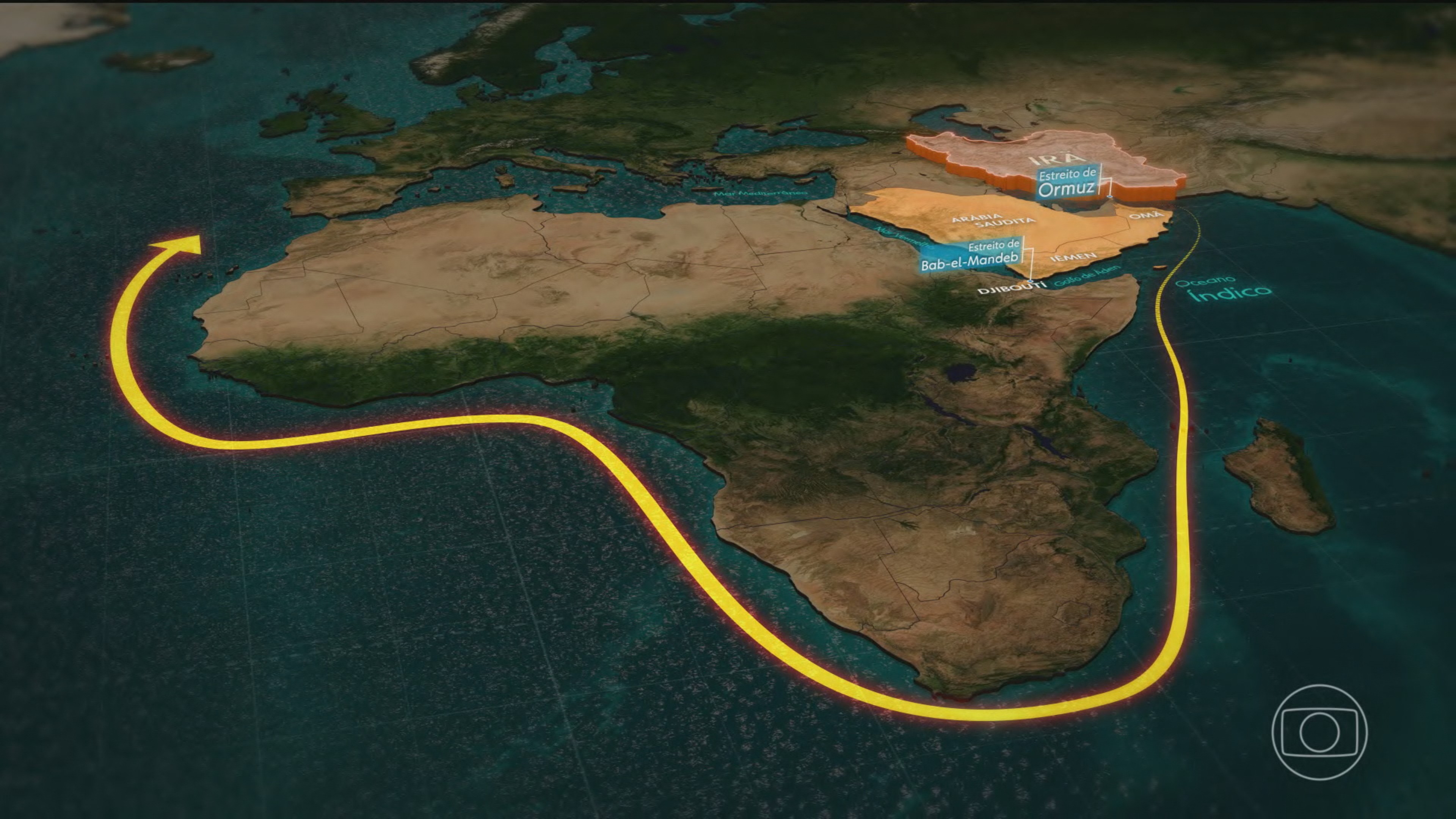
Yemeni Houthi rebels, allied with Iran, announced on Monday, January 20th, their intention to blockade the Bab-el-Mandeb Strait, a crucial global oil shipping lane. This strategic waterway, connecting the Red Sea to the Indian Ocean and separating Asia from Africa, accounts for approximately 9% of the world's oil transit. A closure would force tankers from the Persian Gulf to reroute around the entire African continent, adding 10 to 15 days to voyages and significantly increasing freight costs. The announcement, coupled with recent escalations between the United States and Iran, pushed Brent crude oil prices close to $90 per barrel. In the US, the average national gasoline price surpassed $4 per gallon for the first time since mid-June. This development follows a period of rising tensions, including missile interceptions over Jordan and an explosion at a Jordanian airbase that killed three US service members, identified as First Lieutenant Tyler James Feehan, 25, and Private Isabella Gonzales, 19. The US Central Command is still working to identify the third deceased service member. Iran-backed forces also reportedly struck targets in Bahrain and Kuwait, US allies. Former President Donald Trump vowed retaliation for the American deaths, stating that every fallen soldier would be avenged. Despite these escalations, the US Secretary of State indicated an openness to negotiations, noting Iran's mixed signals of seeking dialogue while engaging in hostile actions.
The Houthi rebels' threat to blockade the Bab-el-Mandeb Strait introduces a significant geopolitical risk to global energy markets, leveraging strategic chokepoints to exert pressure. This action, occurring amidst broader US-Iran tensions, highlights the interconnectedness of regional conflicts and their impact on international commerce and energy prices. The potential for supply chain disruptions underscores the vulnerability of global trade routes to non-state actors and state-sponsored proxies. Future market stability will likely depend on de-escalation efforts, diplomatic resolutions, and the resilience of alternative shipping strategies, as nations and corporations assess the evolving risk landscape in critical maritime passages. The event prompts consideration of how geopolitical leverage points can be managed to mitigate economic fallout and ensure the continuity of essential global resources.
AI-generated to prompt reflection — not editorial opinion, not advice, not a statement of fact. How this works.