Yen Weakens Sharply, Hitting 163.50s Against Dollar Amid Rising Oil Prices
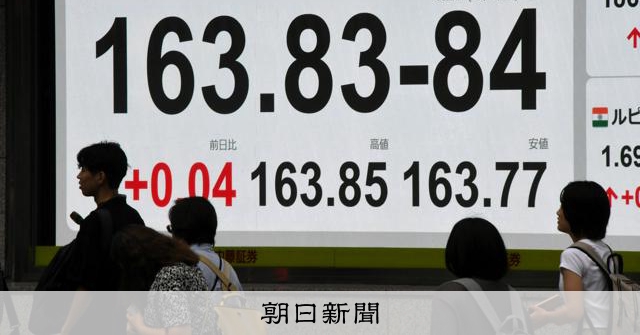
The Japanese yen has experienced a significant depreciation, falling to the 163.50s against the U.S. dollar. This sharp decline occurred in the Tokyo market, coinciding with a resurgence in crude oil prices. The combination of a weaker yen and higher oil costs has created a "triple-low" situation for the Japanese economy, indicating a challenging economic environment. The yen's slide is particularly concerning as it impacts import costs and inflationary pressures within Japan. The rising price of oil further exacerbates these concerns, potentially leading to increased expenses for businesses and consumers alike. This economic scenario highlights the vulnerability of Japan's economy to external price shocks and currency fluctuations.
The depreciation of the yen to 163.50s against the dollar, coupled with rising crude oil prices, presents a complex economic challenge for Japan. This "triple-low" scenario, characterized by a weak currency and escalating commodity costs, suggests that the Japanese economy is highly susceptible to global market volatility. From a systemic perspective, the nation's reliance on imported energy and goods makes it particularly vulnerable to exchange rate fluctuations and supply-side price shocks. Over the next decade, as global energy markets continue to evolve and the digital economy expands, Japan's policy framework will need to address these structural vulnerabilities. Strategies that promote domestic energy diversification, enhance export competitiveness beyond traditional sectors, and foster greater economic resilience against external pressures will be crucial for navigating future economic landscapes.
AI-generated to prompt reflection — not editorial opinion, not advice, not a statement of fact. How this works.