Yoga Outperforms Walking and Cycling for Lowering Blood Pressure and Heart Health
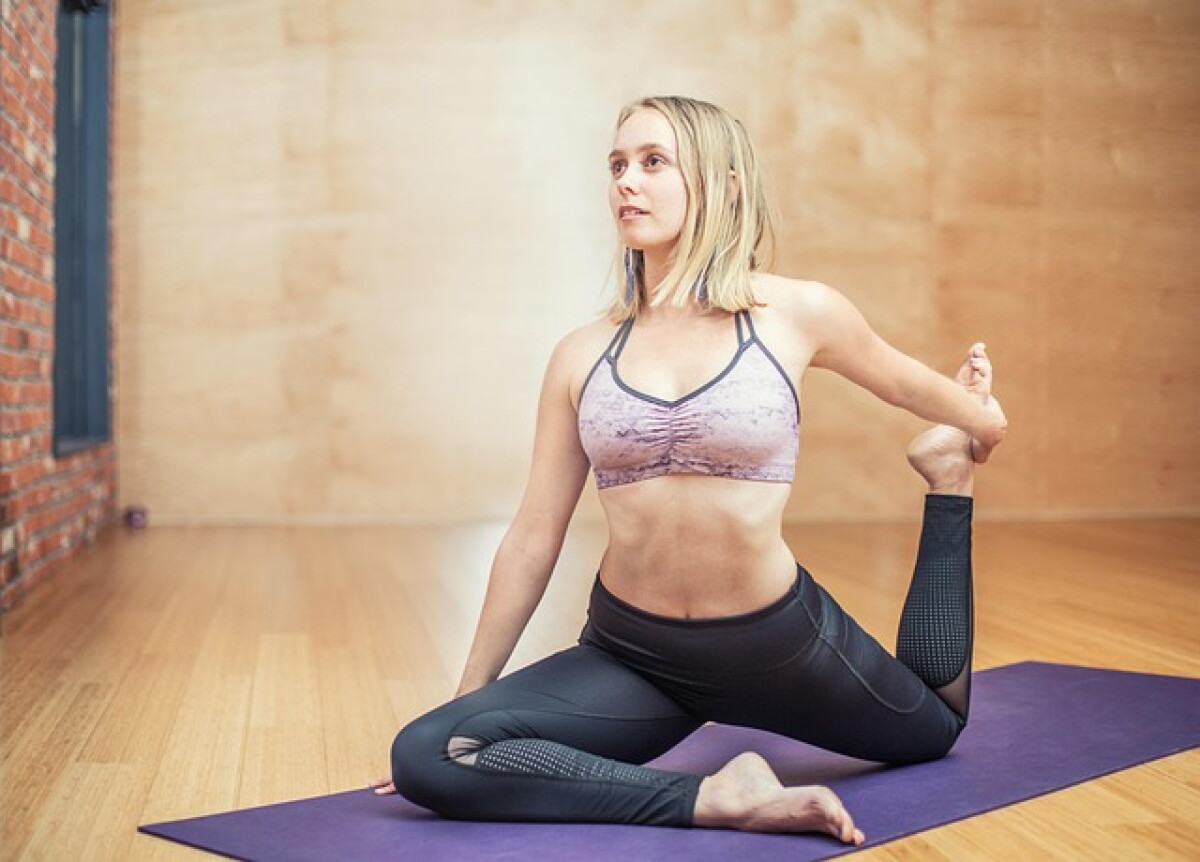
Yoga is presented as a superior exercise for managing blood pressure and improving cardiovascular health compared to walking and cycling. This ancient discipline integrates physical postures with deep relaxation techniques, which are credited with enhancing arterial elasticity. It is particularly highlighted as an ideal training regimen for older adults. The practice has been shown to effectively lower resting heart rate, contributing to overall cardiac well-being. By combining movement and mindfulness, yoga offers a holistic approach to physical and mental health. Its benefits extend beyond cardiovascular improvements to include stress reduction and enhanced flexibility. This makes it a comprehensive option for individuals seeking to proactively manage their health, especially those in their senior years. The practice's ability to address both physical and mental aspects of health makes it a valuable tool for long-term wellness.
This analysis suggests that yoga's comprehensive approach, integrating physical postures with relaxation, may offer distinct physiological benefits for cardiovascular health over more conventional aerobic exercises like walking and cycling. The emphasis on improved arterial elasticity and reduced resting heart rate points to potential mechanisms beyond simple calorie expenditure. For older adults, the low-impact nature of yoga, combined with its stress-reducing effects, could make it a more sustainable and holistic choice for long-term health management. Future research could explore the specific neurobiological and biomechanical pathways through which yoga exerts these advantages, potentially informing public health recommendations for preventative cardiovascular care.
AI-generated to prompt reflection — not editorial opinion, not advice, not a statement of fact. How this works.