Yogi Adityanath Attacks Opposition Over Ram Mandir Donation Controversy
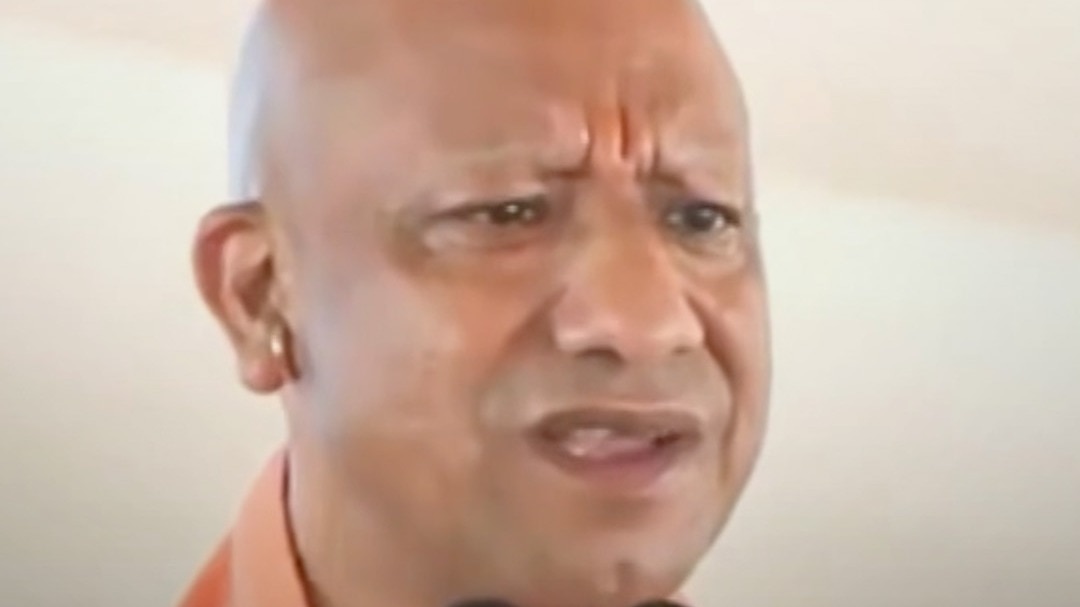
Uttar Pradesh Chief Minister Yogi Adityanath has criticized opposition parties regarding the Ram Mandir donation controversy during an event in Ayodhya. He accused the Congress and Samajwadi Party (SP) of committing the "sin" of allowing prayers to be read at the Hanuman Garhi temple. Adityanath questioned whether reciting the Hanuman Chalisa would be permitted inside the Jama Masjid. This statement comes amidst ongoing discussions and scrutiny surrounding the financial aspects of the Ram Mandir construction and related fundraising efforts. The Chief Minister's remarks aim to frame the opposition as disrespectful to Hindu religious sentiments and practices. The controversy highlights the deep-seated political and religious divisions in India, particularly concerning historical sites like the Ram Mandir. The debate over donations and temple management continues to be a sensitive issue, often used for political mobilization.
This event underscores the persistent use of religious sites and historical controversies as tools in Indian political discourse. By invoking past allegations of religious insensitivity against opposition parties, Chief Minister Adityanath leverages cultural grievances to consolidate support and differentiate his party's platform. The framing of actions as "sin" and the rhetorical question about reciprocal religious observances highlight a strategy of identity politics, aiming to provoke emotional responses rather than engage in policy debate. This approach, while effective in mobilizing specific voter bases, risks exacerbating societal divisions and may distract from substantive governance issues. In the long term, such tactics can hinder interfaith dialogue and the development of a more inclusive national identity, potentially creating ongoing friction around religious freedom and secularism.
AI-generated to prompt reflection — not editorial opinion, not advice, not a statement of fact. How this works.