Young Asian Americans Navigate Identity Amid Shifting US-China Relations
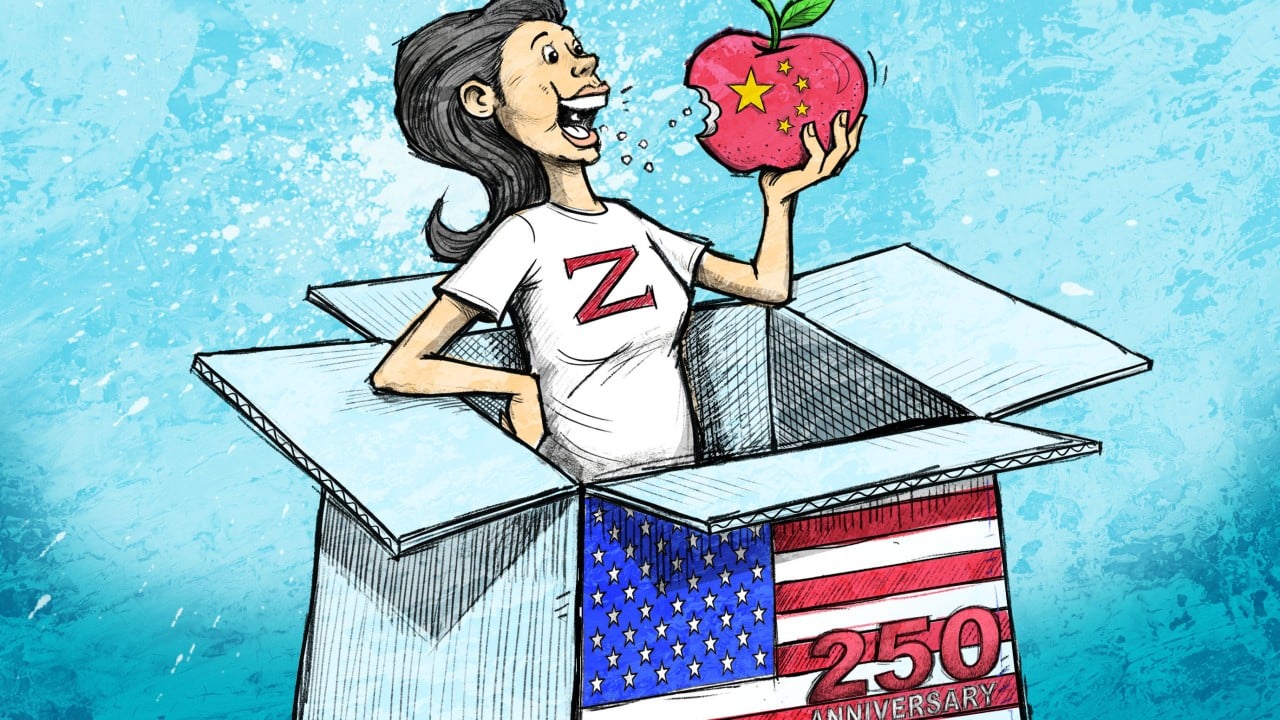
As the United States approaches its 250th anniversary, the nation is grappling with a changing global landscape heavily influenced by its relationship with China. This series explores various aspects of these evolving ties, from technological competition to cultural influence. Specifically, this piece by Lucy Quaggin focuses on the experiences of Generation Z Chinese Americans. These young individuals are finding themselves in a complex position as they navigate their dual identities amidst escalating tensions between the US and China. The article highlights the personal challenges faced by individuals like Hannah Liu, a high school student from New York City's Upper East Side. Her experiences illustrate the broader societal pressures and identity questions confronting young Asian Americans in the current geopolitical climate. The narrative aims to capture the nuanced ways this demographic is processing their heritage and their place within American society as US-China relations become increasingly prominent.
The evolving US-China relationship presents a significant challenge for individuals with dual cultural backgrounds, particularly young Asian Americans. As geopolitical tensions rise, this demographic may experience increased pressure to align with one national identity over the other, potentially leading to internal conflict and external scrutiny. The article highlights the need for societal frameworks that can accommodate complex identities and foster a sense of belonging for all citizens, regardless of their heritage. Future policy and public discourse should aim to de-escalate international tensions and promote understanding, thereby alleviating the identity burdens placed on minority groups caught in the middle of global power dynamics. This situation underscores a broader trend where global political shifts directly impact individual lived experiences and community cohesion.
AI-generated to prompt reflection — not editorial opinion, not advice, not a statement of fact. How this works.