Young Entrepreneurs Seek Survival and Opportunity at WAIC Amidst Shifting Industry Landscape
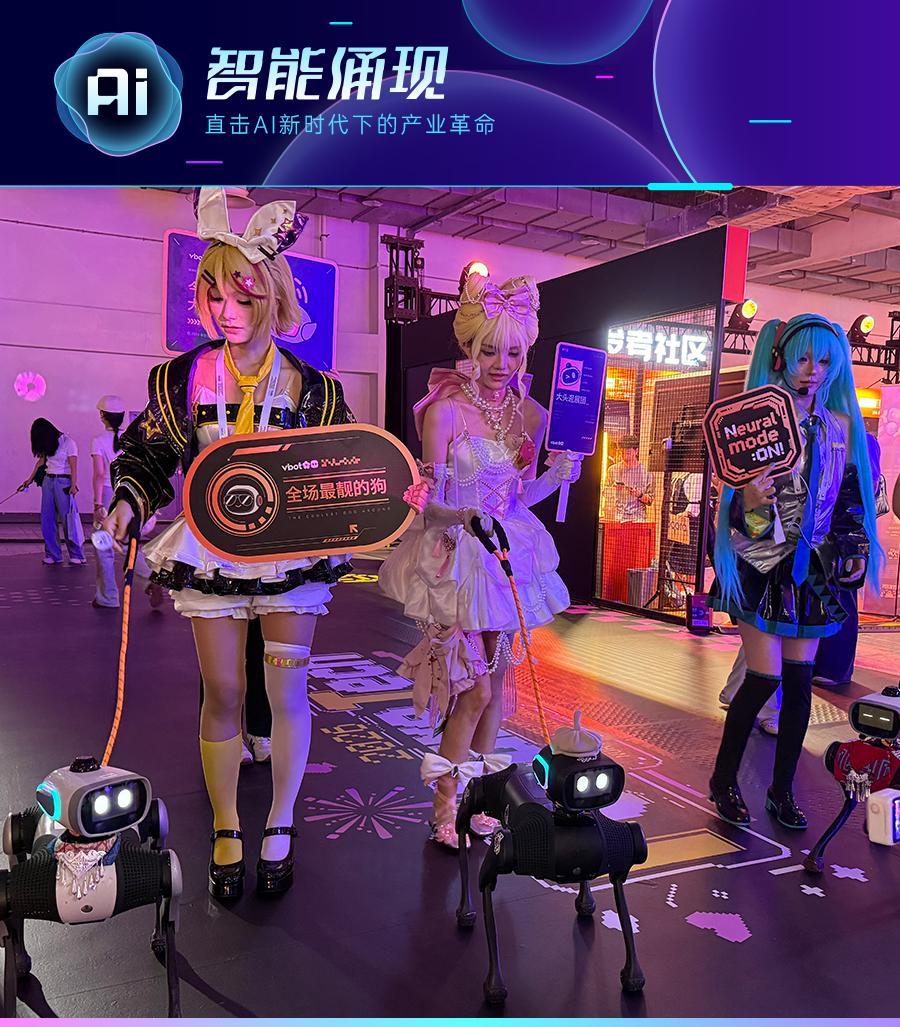
The World Artificial Intelligence Conference (WAIC) in Shanghai featured a dedicated space for startups, known as H4, located in the basement of the main venue. Despite the challenging task of finding this area, numerous young entrepreneurs were present, showcasing their products and visions. Many of these startups, lacking significant resources or established connections, viewed participation in WAIC as a critical opportunity to gain visibility and connect with potential investors and partners. Some entrepreneurs, unable to secure a physical booth, actively navigated the crowds, using their conference badges as their sole entry credential. They engaged in impromptu pitches and discussions, demonstrating resourcefulness and resilience in a highly competitive environment. The article highlights the intense self-promotion required by these founders, a survival skill honed in the face of limited resources, often contrasting with their previous successful careers. Securing a booth at WAIC was difficult, with many startups needing recommendations from funds or incubators, and some, like OPC projects, facing extremely low acceptance rates, around 3% from nearly 700 applicants. For these nascent companies, even a small booth represented a valuable, continuous opportunity for exposure and networking, which is scarce in their daily operations focused on product development, fundraising, and seeking market access. The event provided a rare chance for their products to interact with the real world and for them to express their ambitions.
The narrative surrounding young AI entrepreneurs at WAIC underscores a significant shift from past industry exuberance to present-day survival imperatives. While the allure of cutting-edge technology remains, the economic realities for early-stage ventures are increasingly demanding. The intense competition for visibility, even at major conferences, suggests a market saturated with innovation but potentially constrained by funding availability and a clearer path to commercialization. The founders' reliance on resourcefulness, such as leveraging social media comments and impromptu networking, highlights adaptable strategies in a challenging funding climate. This situation prompts reflection on the sustainability of the startup ecosystem: are the current structures adequately supporting genuine innovation, or are they primarily rewarding established networks and proven trajectories? The future may require more robust support mechanisms that bridge the gap between groundbreaking ideas and market viability, ensuring that the next wave of AI advancements is not stifled by immediate financial pressures.
AI-generated to prompt reflection — not editorial opinion, not advice, not a statement of fact. How this works.