Young Man Fatally Struck by Truck on Highway Shoulder in São Paulo
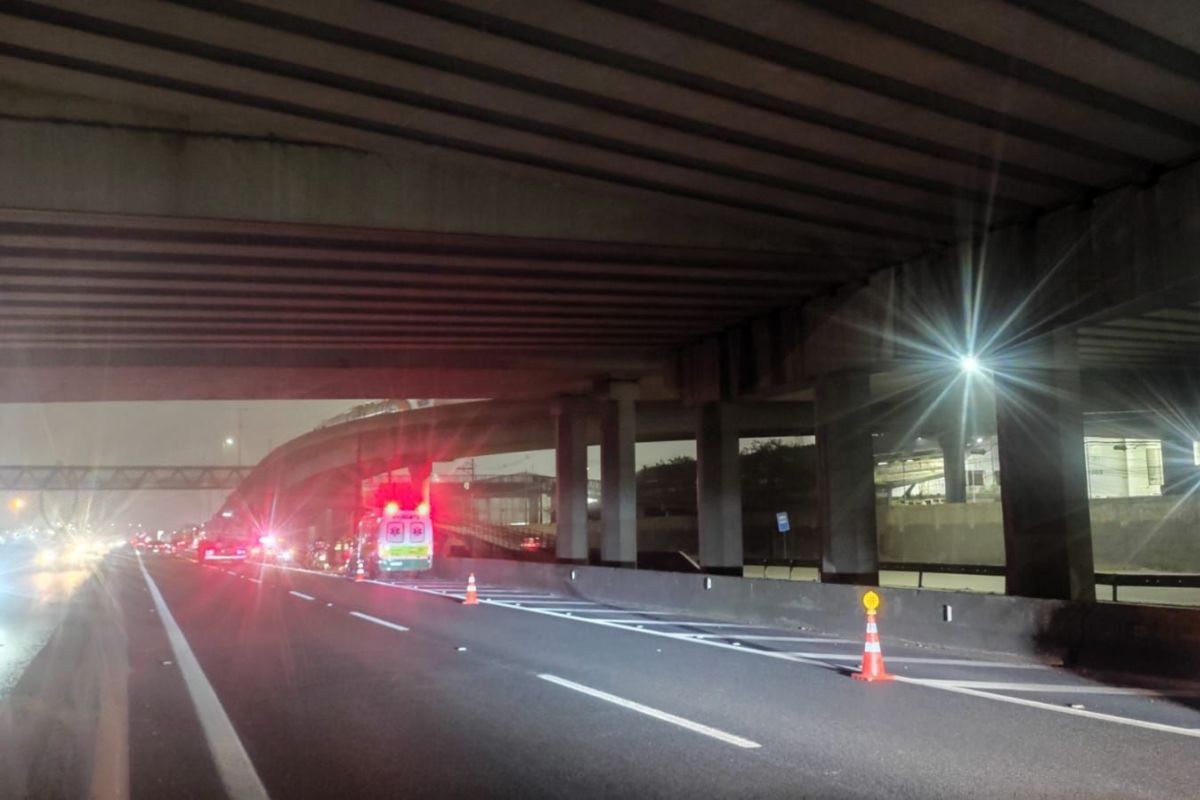
A 20-year-old man tragically died after being hit by a truck while on the shoulder of Rodovia Anchieta in Santos, São Paulo. The incident occurred on Thursday night, October 2nd, near kilometer 64 on the lane heading towards the capital. According to the Civil Police, the victim was struck on the highway's shoulder. The truck driver stated that after unloading his vehicle at a company, he saw a figure on the shoulder as he exited the terminal. He then felt an impact on the right side of his truck and realized he had hit someone. Emergency medical services (Samu) were dispatched, but the young man was pronounced dead at the scene. The highway concessionaire, Ecovias, reported that the affected section was temporarily blocked but caused no traffic congestion. The incident concluded around 12:30 AM with the removal of the victim's body. The São Paulo State Public Security Secretariat confirmed that the driver tested negative for alcohol in a breathalyzer test. The case has been registered as negligent homicide while driving a motor vehicle at the 5th District Police Station in Santos, and forensic investigation has been initiated.
This tragic event highlights the inherent risks associated with mixed-use highways where vehicles and pedestrians may interact, even in designated safety zones like shoulders. The driver's account suggests a sudden, unavoidable encounter, while the investigation into negligent homicide implies a need to scrutinize factors contributing to the accident, such as visibility, speed, and adherence to safety protocols by all parties. Moving forward, such incidents underscore the ongoing challenge of balancing efficient transportation networks with robust pedestrian safety measures, particularly in areas where commercial vehicle activity is high. Future infrastructure planning and traffic management strategies may need to consider enhanced separation or warning systems to mitigate the potential for such devastating outcomes in an increasingly automated transportation landscape.
AI-generated to prompt reflection — not editorial opinion, not advice, not a statement of fact. How this works.