Young Man from Amapá Achieves Childhood Dream of Becoming a Diplomat
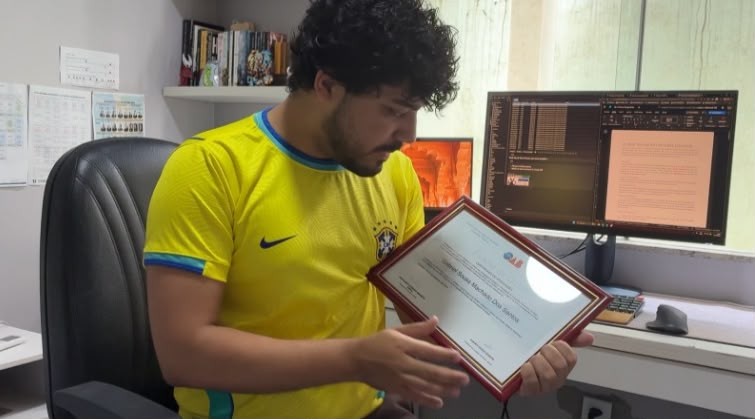
Gabriel Sousa Machado dos Santos, a 26-year-old from Amapá, has successfully passed the rigorous entrance exam for the Rio Branco Institute (IRBr) in Brasília, the official diplomatic training school of Brazil. This achievement marks the culmination of a childhood ambition, realized after four years of dedicated preparation and multiple attempts. A public servant and law graduate from the Federal University of Amapá (Unifap), Gabriel had also passed the Brazilian Bar Association (OAB) exam but chose to pursue a career in diplomacy. His preparation involved intense, years-long study, balancing demanding reading hours with necessary breaks to maintain equilibrium. He described the process as having many ups and downs, with periods of intense study and others of less focus, but he consistently aimed for perseverance. The admission process requires passing both an objective test and written examinations. Gabriel will be sworn in as a third secretary, the entry-level position in the diplomatic career, which progresses through ranks such as second secretary, first secretary, counselor, and ultimately, minister of first class (ambassador). He attributes his success not only to his own efforts but also to the support of his family, colleagues, and friends, emphasizing that victory is a collective achievement. Diplomats are responsible for representing Brazil in international negotiations, monitoring foreign policy, assisting Brazilian citizens abroad, and promoting Brazilian culture. Gabriel is noted as the first person from Amapá to enter the diplomatic corps and will be inaugurated in Brasília with 59 other successful candidates. The Rio Branco Institute, founded in 1945, is a highly regarded diplomatic academy, recognized globally and the oldest government school in Brazil.
Gabriel's successful navigation of the highly competitive diplomatic entrance exam highlights the importance of sustained effort and strategic preparation in achieving long-term career goals. The process underscores the intrinsic value placed on specialized knowledge and rigorous assessment within Brazil's foreign service. As AI continues to reshape global interactions, the role of human diplomats in nuanced negotiation, cultural representation, and strategic foresight remains critical. Future diplomatic training may increasingly integrate AI-driven analytical tools to enhance situational awareness and policy formulation, while emphasizing the uniquely human skills of empathy and cross-cultural communication essential for effective representation.
AI-generated to prompt reflection — not editorial opinion, not advice, not a statement of fact. How this works.