Young Sauropods Could Stand Tall, But Size Limitations Prevented It
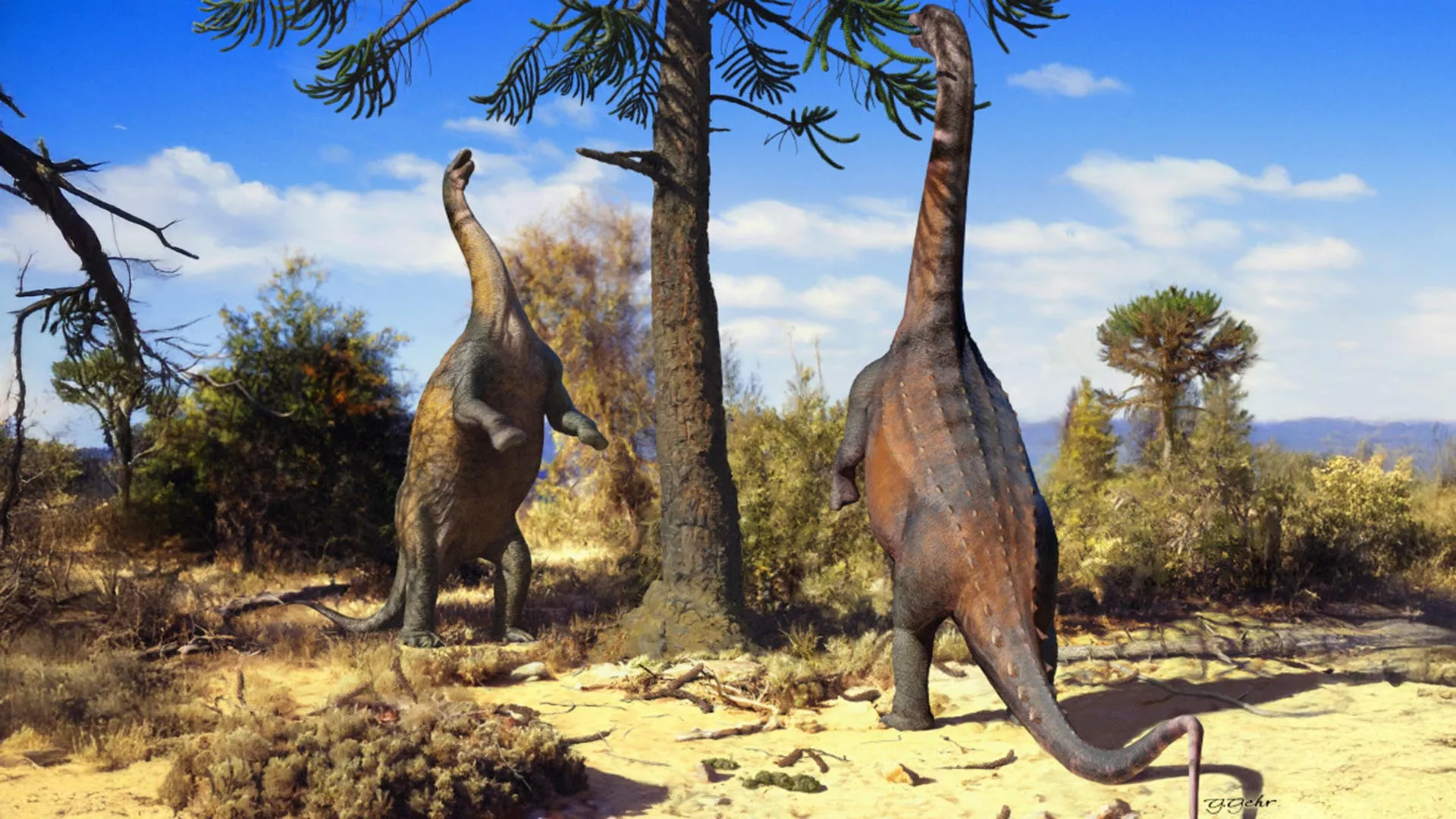
Two elephant-sized sauropods from South America possessed skeletal structures that unusually well supported bipedalism. Digital simulations revealed that their femurs were robust enough to manage the immense forces associated with standing on their hind legs, particularly during their juvenile stages. This ability was more pronounced than in larger sauropod species. The upright stance may have offered several advantages, including enabling them to reach higher foliage for feeding, deterring potential predators through intimidation, or serving as a display for attracting mates. However, as these dinosaurs grew larger, their immense size ultimately limited their capacity for such upright locomotion.
The study of sauropod biomechanics highlights how evolutionary pressures shape physical capabilities. While these specific dinosaurs exhibited a temporary advantage in bipedalism due to their skeletal development, the inherent limitations imposed by increasing mass suggest a trade-off between size and agility. This dynamic illustrates a common theme in biological systems where achieving maximum size can lead to specialization and a reduction in certain forms of mobility. Over the next decade, advancements in paleontology and computational modeling will likely offer deeper insights into the diverse strategies employed by extinct species to navigate their environments and the constraints imposed by physics and resource availability.
AI-generated to prompt reflection — not editorial opinion, not advice, not a statement of fact. How this works.