Young South American sea lion rescued with fishing gear injuries in São Sebastião Channel
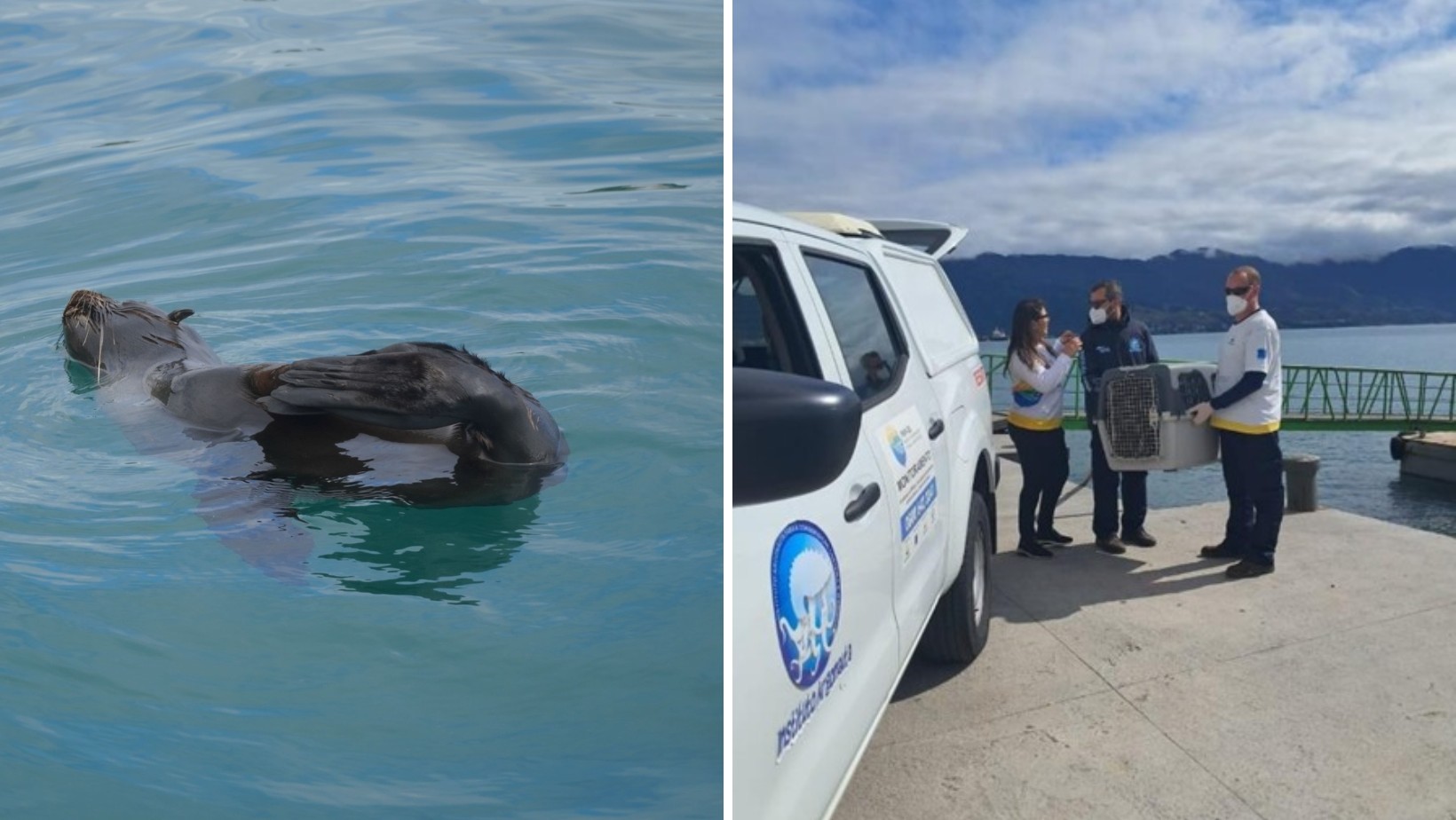
A young South American sea lion was rescued on Monday, June 6th, after being monitored for several days in the São Sebastião Channel, located in the North Coast of São Paulo. The animal was found near Santa Teresa Beach and subsequently transferred to the rehabilitation center of the Argonauta Institute for Coastal and Marine Conservation in Ubatuba. The rescue operation was conducted by the Argonauta Institute team, with assistance from the Civil Defense and the Ilhabela City Hall. The sea lion had been observed near boats in the channel for days, showing little reaction to their approach and remaining very close, increasing the risk of accidents. Upon capture, veterinarians determined the sea lion was underweight and had injuries to its left eye, ear, and left pectoral fin, consistent with entanglement in fishing gear. Due to its condition, the animal is now undergoing veterinary treatment, proper feeding, and daily monitoring at the rehabilitation center until it is fit for release back into the ocean. The Argonauta Institute notes that juvenile sea lions often appear on the southeastern coast during winter as they leave their breeding colonies in Uruguay, Argentina, and Chile in search of food, sometimes arriving weakened or injured. The institute advises the public to maintain distance from marine mammals on beaches or near boats, avoid touching or feeding them, and to contact the monitoring teams if such animals are found.
The rescue of this juvenile sea lion highlights the ongoing challenges faced by marine wildlife due to human activities, specifically fishing gear entanglement. While the Argonauta Institute provides critical rehabilitation services, the recurring nature of these incidents suggests a need for broader strategies. These could include enhanced fishing regulations, improved waste management to prevent marine debris, and public awareness campaigns focused on responsible boating and fishing practices. Addressing the root causes of these injuries is essential for the long-term health of marine populations and ecosystems, particularly as climate change and increased human presence in marine environments continue to exert pressure.
AI-generated to prompt reflection — not editorial opinion, not advice, not a statement of fact. How this works.