Young Woman Dies After Nearly Two Years Battling Stroke Aftermath
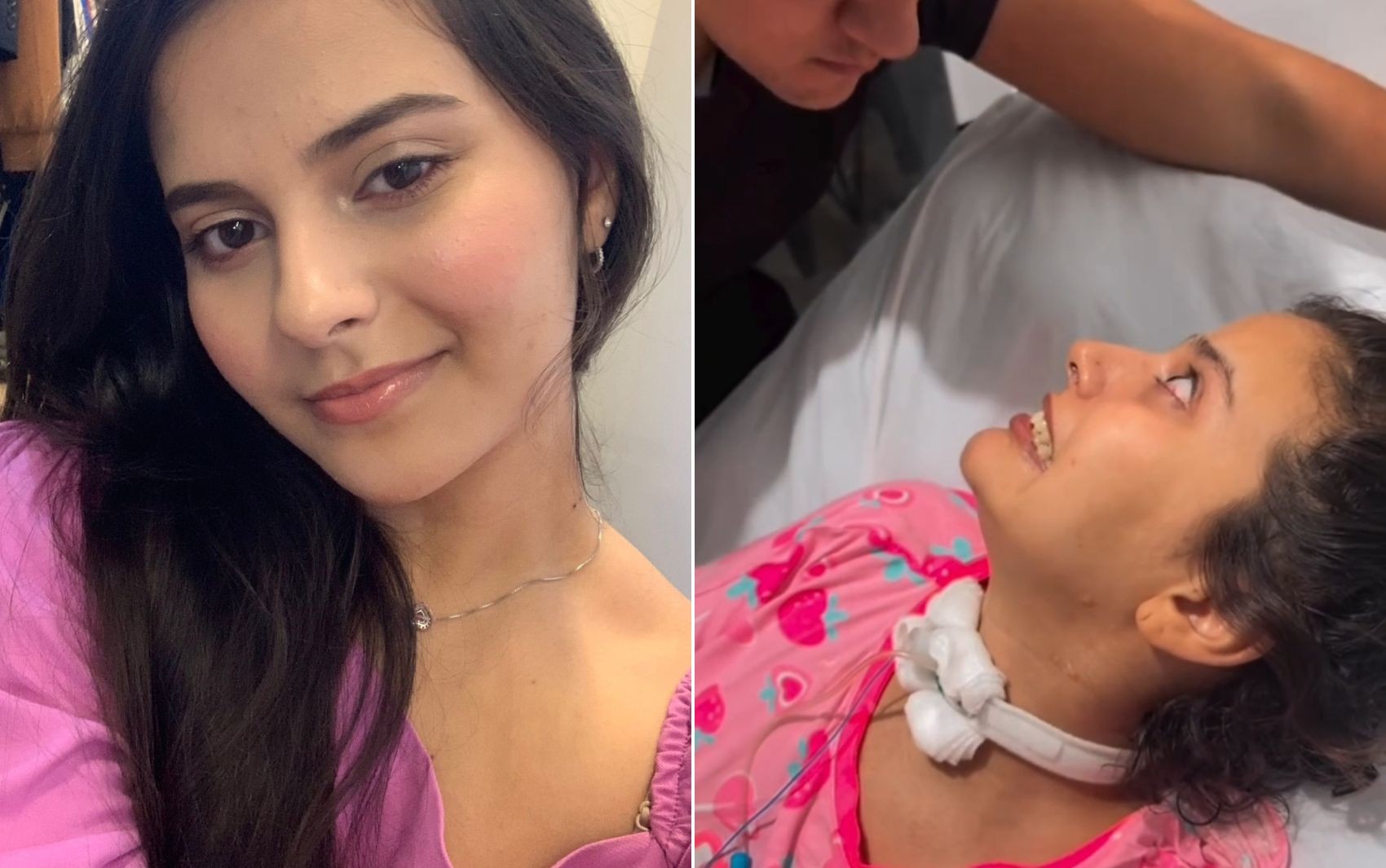
Ana Júlia Servato, a 20-year-old woman from Itumbiara, Goiás, has died after a nearly two-year struggle with the consequences of a stroke. The incident occurred in September 2024, and she had been undergoing various rehabilitation treatments, including physiotherapy. Her mother, Mônica Servato, regularly shared Ana Júlia's recovery journey on her Instagram profile. Friends and family remembered Ana Júlia for her remarkable perseverance and strength throughout her challenging recovery process. Tributes highlighted her bravery and fighting spirit, with one friend noting, "Juju, how much strength fit into one person. You fought bravely until the moment our Father called you to be another angel in heaven." Another friend commented on the strong bond between Ana Júlia and her mother, stating, "Juju fought a lot. She was very warrior-like because she had her mother as her greatest example. Together, they made the best team!" Ana Júlia's stroke was attributed to an arteriovenous malformation (MAV), a rare congenital condition involving abnormal connections between arteries and veins, leading to high blood pressure and increased risk of hemorrhage. She had undergone several medical procedures, including a cerebral catheterization and embolization. A catheter was also placed in her skull to drain accumulated blood following a deterioration in her health. At one point, Ana Júlia spent 11 months in an intensive care unit (ICU) at the Neurological Hospital in Goiânia before regaining consciousness.
This narrative highlights the profound impact of a severe health event on an individual and their family, amplified by public sharing on social media. While the outpouring of support and admiration for Ana Júlia's resilience is evident, the situation underscores the significant long-term challenges and resource demands associated with managing the sequelae of strokes, particularly those stemming from congenital conditions like MAVs. The case prompts reflection on the adequacy of healthcare systems in providing sustained, comprehensive rehabilitation and support for young individuals facing such debilitating conditions. Future considerations should include proactive screening for congenital vascular anomalies and robust post-acute care frameworks to improve long-term outcomes and reduce the burden on families.
AI-generated to prompt reflection — not editorial opinion, not advice, not a statement of fact. How this works.