Young woman discharged from hospital after life-saving bone marrow transplant from mother
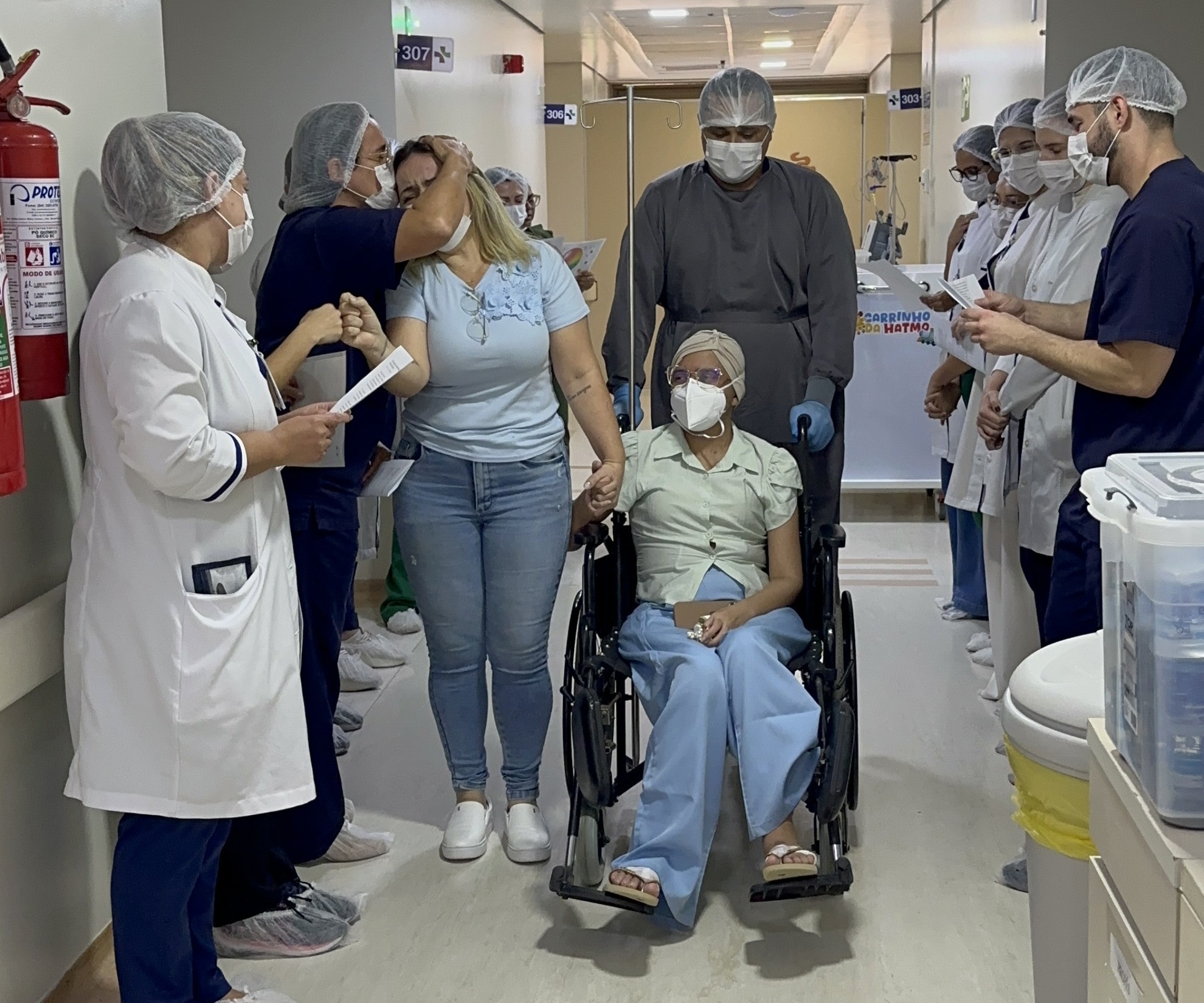
Sabrina Duarte, 24, was discharged from Hospital Rio Grande in Natal on Friday, March 10th, after nearly seven months of treatment. She received a bone marrow transplant from her mother, Dayane Duarte, and underwent an extensive recovery process. A video captured the emotional departure, showing hospital staff forming a corridor to honor the mother and daughter as they left. Dayane Duarte, a councilwoman from Arara, Paraíba, donated part of her bone marrow for the transplant, which was performed through Brazil's public health system (SUS). The family arrived in Natal in December 2025 to begin Sabrina's treatment. Her mother's bone marrow was collected on February 18th, and the transplant occurred the following day. During her hospitalization, Sabrina required intubation twice and remained in intensive care until her clinical condition improved. Following her hospital discharge, both mother and daughter will stay in Natal for a few more days for medical follow-up. If her recovery continues as expected, they are anticipated to return home to Paraíba in the coming days. The article also provides information on becoming a bone marrow donor in Brazil, outlining the age requirements (18-35), health criteria, and the registration process through the National Registry of Voluntary Bone Marrow Donors, coordinated by the National Cancer Institute.
This narrative highlights the profound personal impact of medical advancements and familial support within a public healthcare framework. The emotional resonance of the discharge ceremony underscores the dedication of healthcare professionals and the strength of the mother-daughter bond. From a systemic perspective, the successful transplant, facilitated by SUS, demonstrates the critical role of public health infrastructure in providing complex medical interventions. The article also serves to raise awareness about bone marrow donation, emphasizing the low probability of finding a compatible donor and the vital importance of increasing the donor registry. This event prompts reflection on the societal incentives needed to encourage voluntary medical donations and the ongoing need for robust public health systems capable of handling specialized treatments, especially as the population ages and chronic diseases become more prevalent.
AI-generated to prompt reflection — not editorial opinion, not advice, not a statement of fact. How this works.