Young woman injured by falling tree branch in Curitiba shows signs of recovery
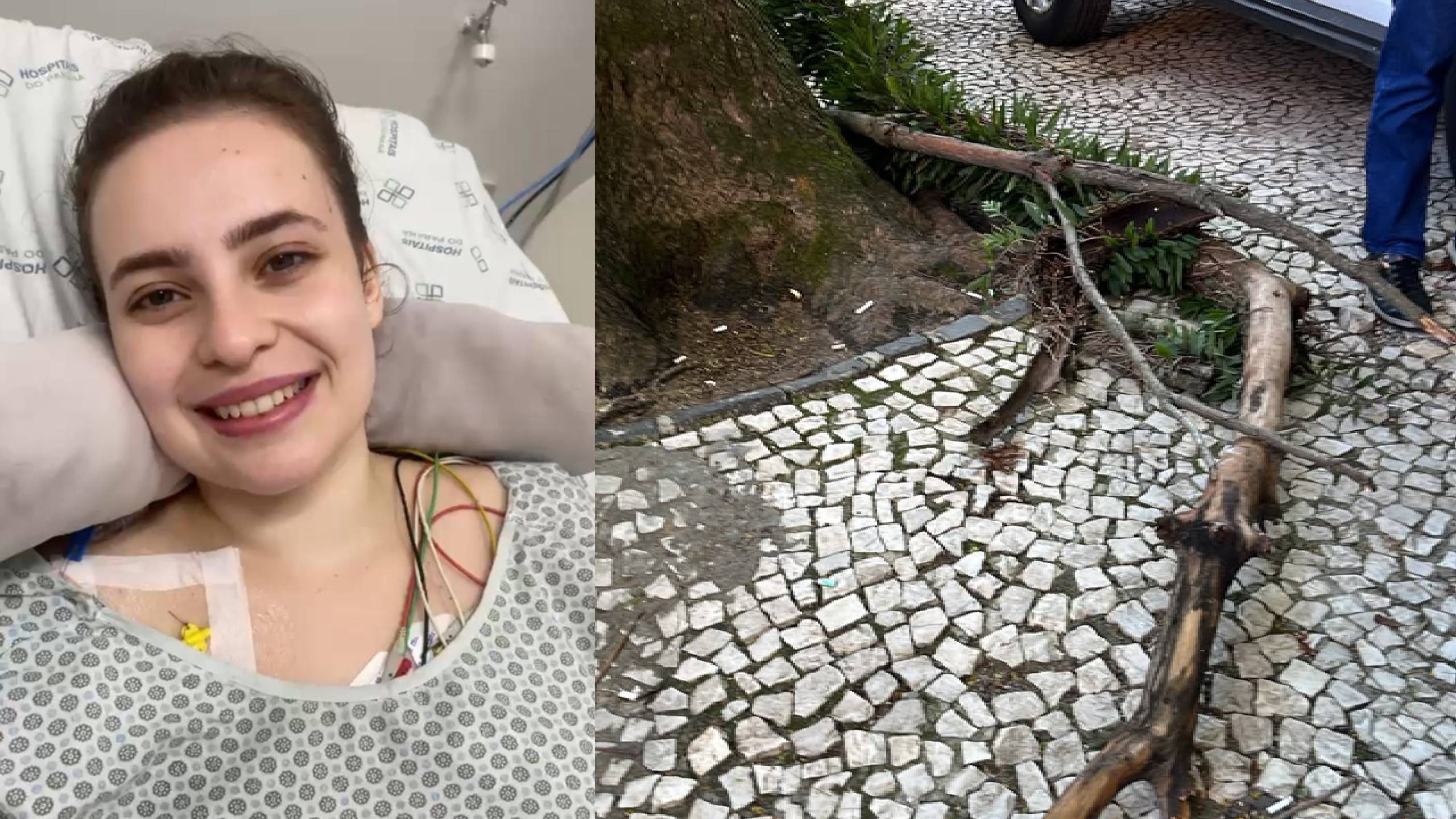
Ana Beatriz Stubinski, a 22-year-old woman who lost the use of her legs after being struck by a tree branch in Curitiba, has been discharged from the hospital. The incident occurred on July 13th when a large branch fell from a tree in Praça Osório, causing severe injuries to her spinal cord between vertebrae T5 and T6, as well as lung damage. She underwent two complex surgeries to address a pneumothorax and stabilize her spine. Approximately one month after receiving a dose of polilaminina, a synthetic protein still under study in Brazil for nerve regeneration, her family reports positive signs of recovery. While she is not yet walking, Ana is experiencing tingling and spasms in her legs and has demonstrated small movements in a toe and her foot. Her mother, Vanessa Stubinski, expressed immense happiness and relief, noting that Ana is now pain-free aside from surgical discomfort and ready for rehabilitation. The family is preparing their home with necessary equipment, including a wheelchair, gurney, and shower chair. The City of Curitiba stated that its environmental secretariat maintains a permanent program for monitoring and managing urban trees.
This case highlights the critical intersection of urban infrastructure maintenance and patient recovery through experimental treatments. The severe injury sustained by Ana Beatriz Stubinski underscores the public safety responsibilities associated with managing urban green spaces. The subsequent application of polilaminina, an investigational therapy, demonstrates the potential for innovative medical interventions to offer hope in cases of severe spinal cord injury. The process for accessing such treatments, involving compassionate use protocols and regulatory approval by agencies like Anvisa, reveals the complex pathways patients navigate. Future considerations may involve refining urban tree management protocols to mitigate risks and streamlining access to promising, yet unproven, therapeutic agents for patients with catastrophic injuries.
AI-generated to prompt reflection — not editorial opinion, not advice, not a statement of fact. How this works.