Young Woman With Rare Cancer Becomes Medical Student to Support Patients
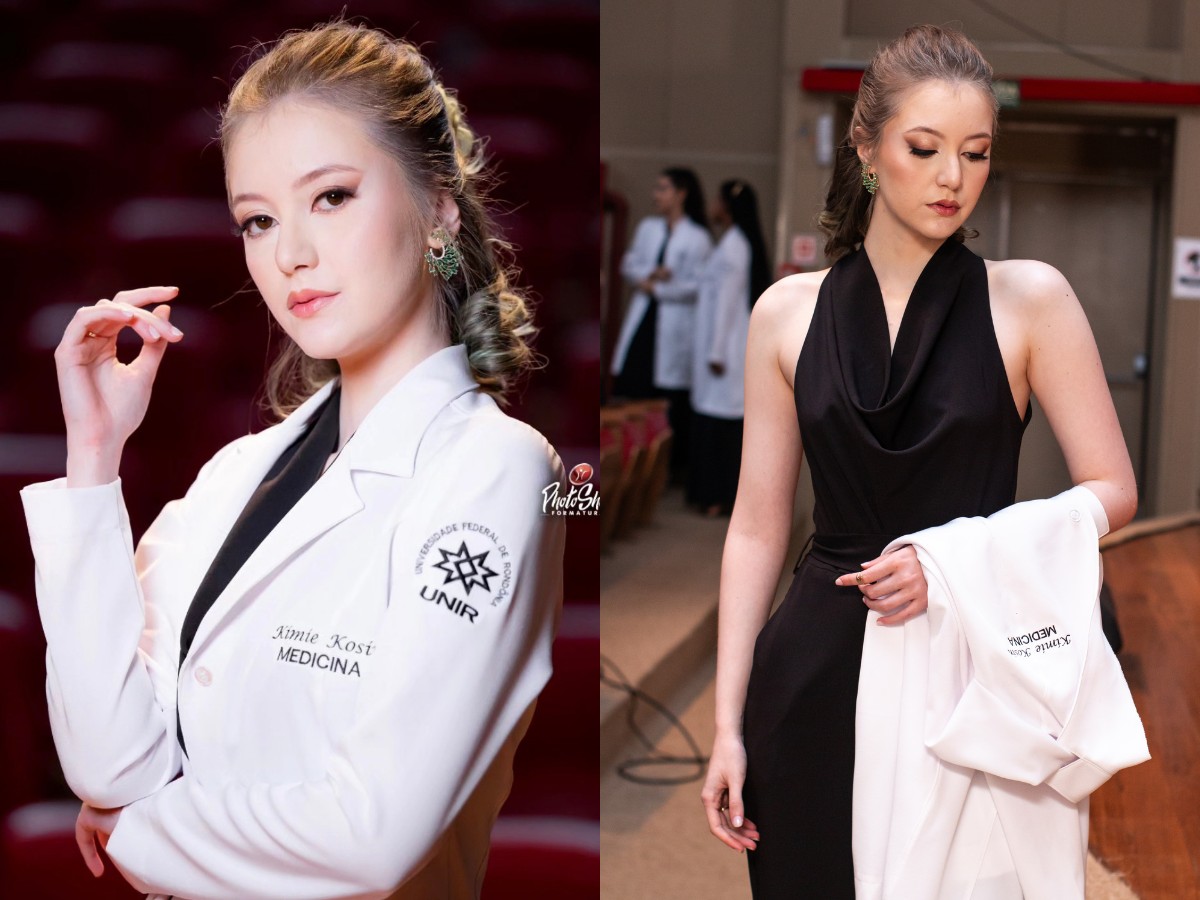
At 21 years old, Kimie Kosin was diagnosed with a rare sarcoma, a diagnosis that significantly altered her life's trajectory. Over three years of intensive treatment, her perspective on medicine shifted, inspiring her to leverage her personal patient experience into a mission to support others facing similar health challenges. Before her diagnosis, Kimie already harbored a desire to care for people, but the cancer forced her to set aside her initial plans for a new reality filled with medical procedures and future uncertainties. She described this period as "three years in the dark," where the concept of future planning felt hollow due to treatment failures and diminishing certainty about her own survival. Initially, her treatment at Hospital do Amor was fraught with fear and the struggle to adapt to a new routine. However, the hospital gradually transformed from a place of uncertainty into one of profound support as her care team became attuned to her specific needs and struggles. Her treatment involved extensive cycles of hormone therapy, chemotherapy, and radiotherapy, often without the desired outcomes, leading to prolonged hospital stays and frequent emergency room visits. During this arduous journey, the stethoscope, once a symbol of her dream to help others, evolved to represent a deeper connection with patients. Kimie's aspiration is not merely to treat diseases but to see the individuals behind the diagnoses, particularly those who have ceased making plans amidst their uncertainty. She believes the cancer fundamentally changed not only her dream of becoming a doctor but also the kind of doctor she will be, emphasizing a future focused on palliative care and oncology where compassion, dignity, and presence are integral to treatment. Inspired by the dedication of her medical team, she views medicine as a profound act of altruism. Kimie aims to offer understanding to newly diagnosed young patients, drawing from her own experience and vowing to support them through their entire journey, stating, "I've been on that same gurney. I know the fear. And I want to walk with each patient until the end."
This narrative highlights a powerful personal transformation driven by a significant health challenge. The individual's decision to pursue medicine, motivated by her patient experience, underscores the profound impact of empathetic care. It raises questions about the healthcare system's capacity to foster such deeply humanistic approaches, especially within oncology and palliative care. The story implicitly critiques a system that can sometimes prioritize technical treatment over holistic patient support, suggesting a need for greater integration of emotional and psychological care alongside medical interventions. Looking ahead, the increasing prevalence of chronic and rare diseases, coupled with advancements in AI-driven diagnostics, will necessitate a reevaluation of medical training to ensure future practitioners can balance technological prowess with essential human connection and empathy, particularly for patients facing long-term or terminal conditions.
AI-generated to prompt reflection — not editorial opinion, not advice, not a statement of fact. How this works.