Younger Hikers Surge at Nijmegen Four Days Marches, Driven by Bucket List Culture
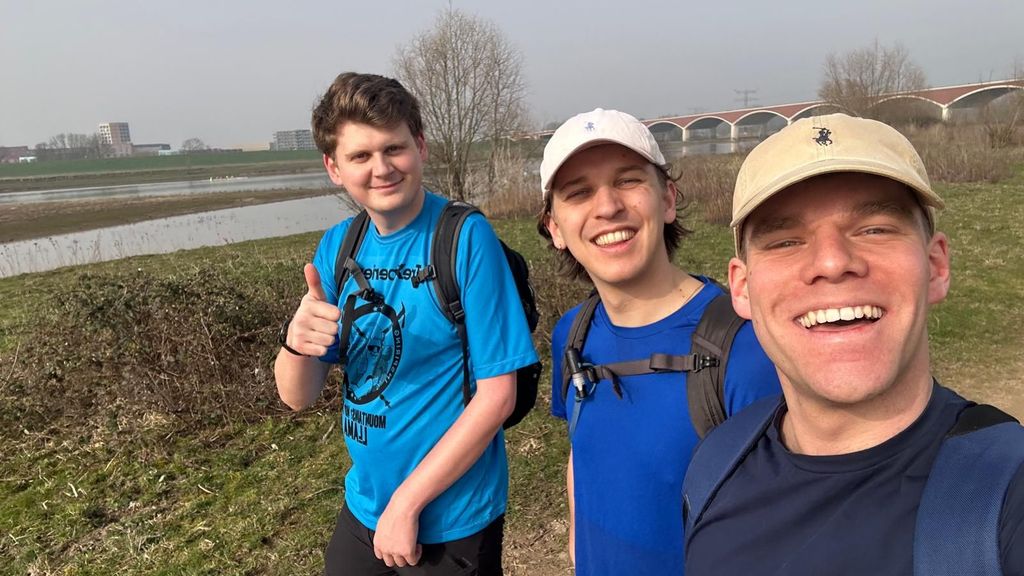
The Nijmegen Four Days Marches is experiencing a significant increase in younger participants, with individuals aged 21 to 30 now constituting 20.5 percent of all attendees, a substantial rise from 7.5 percent in 2016. This trend reflects a broader shift in perception, moving away from walking being solely an activity for older individuals. Young participants are drawn to the event for its athletic challenge and the unique experience of a large-scale event, with one participant, Emiel Fleer (26), noting that walking 50 kilometers is enjoyable within the context of the Four Days Marches. The COVID-19 pandemic played a role in boosting walking's popularity, as limited options during lockdowns encouraged people, including younger demographics, to explore outdoor activities for exercise and mental well-being. Following the pandemic, walking events have seen a surge, with other popular events like family walks and urban walks also experiencing high demand. Influencers are also identified as a key factor, with many promoting outdoor and walking lifestyles, appealing to a younger audience seeking an escape from digital overload and a connection with nature. Roos Freije (31), a walking influencer with approximately 63,000 Instagram followers, highlights the search for tranquility and purpose among young walkers. This desire for achievement aligns with 'bucket list behavior,' mirroring the growing popularity of marathons and other endurance events. Participants like Fleer are using the event to reconnect with friends and fulfill a sense of local identity, with some believing completing the Nijmegen Four Days Marches is a rite of passage for residents.
The increasing participation of younger demographics in endurance walking events like the Nijmegen Four Days Marches signifies a cultural shift towards valuing experiential achievements and mental well-being. This trend, amplified by social media and influencer culture, suggests a growing desire among youth to seek offline experiences and physical challenges as a counterpoint to digital saturation. The event's appeal appears to be evolving from a traditional sporting activity to a 'bucket list' item, driven by a confluence of social connection, personal accomplishment, and a search for mindful engagement with the environment. Future event organizers may leverage this by further integrating community-building aspects and digital engagement strategies that complement, rather than compete with, the core physical experience.
AI-generated to prompt reflection — not editorial opinion, not advice, not a statement of fact. How this works.