Your Brain May Be Biologically Programmed to Regain Lost Weight
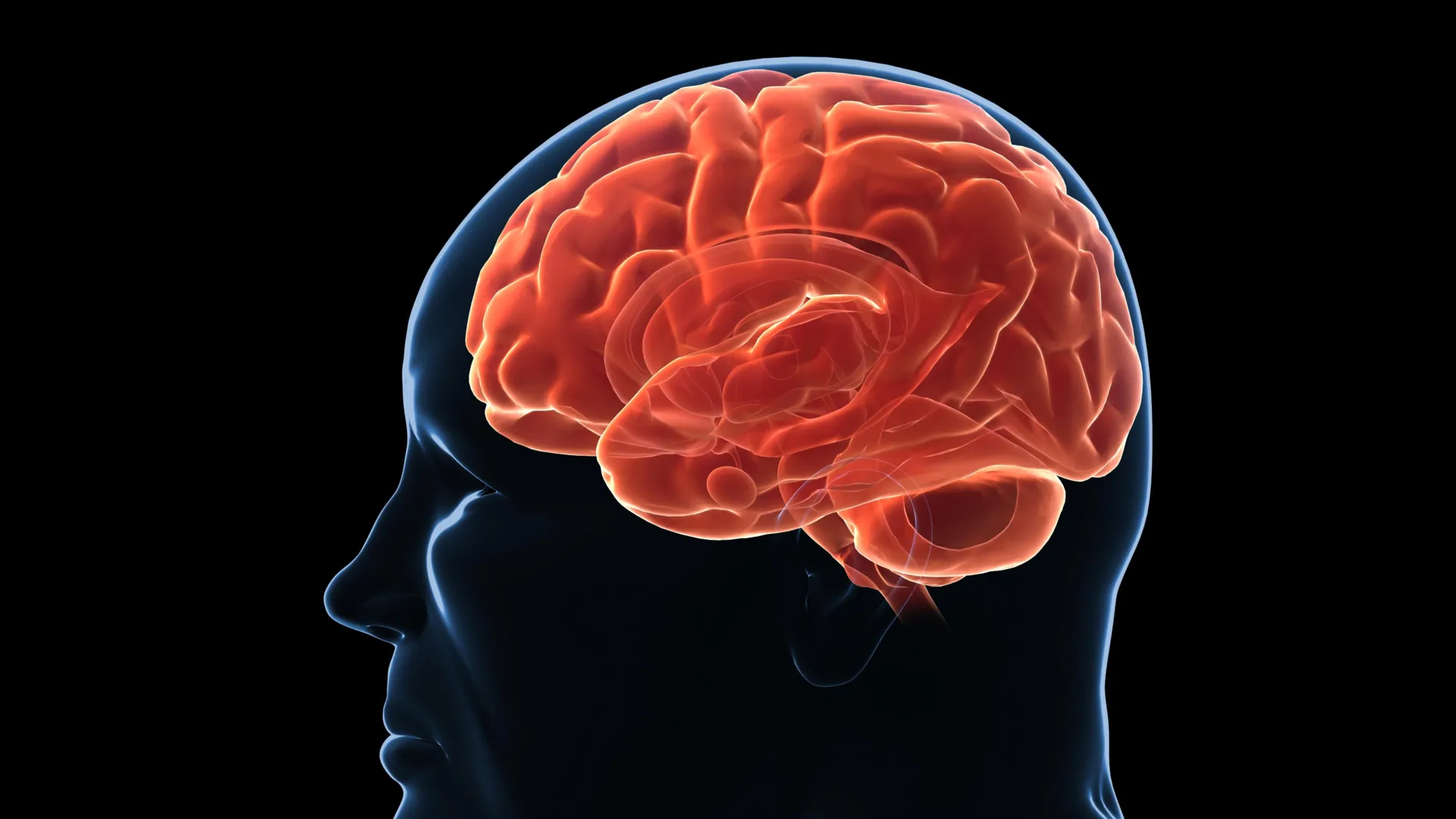
The human brain is biologically wired to protect body fat, a remnant of evolutionary periods of scarcity. This mechanism can cause the brain to establish a previously higher weight as a new "normal." Consequently, after individuals lose weight, their brains may trigger intensified hunger, cravings, and reduced energy expenditure. This biological "memory" is a key factor in understanding why many people regain weight following dieting efforts. Medications like Wegovy and Mounjaro offer a potential solution by suppressing appetite signals. However, their effectiveness may diminish once the treatment is discontinued.
This biological predisposition to defend a higher body weight highlights a fundamental conflict between evolutionary adaptations and modern environments characterized by food abundance. The brain's protective mechanisms, while once crucial for survival, now contribute to challenges in maintaining weight loss in a society where caloric intake often exceeds energy expenditure. The efficacy of appetite-suppressing medications suggests a potential avenue for intervention, but their temporary effects underscore the need for sustainable, long-term strategies that address both biological and behavioral factors. Future approaches may need to consider how to recalibrate the brain's weight set point or integrate pharmacological interventions with comprehensive lifestyle changes to achieve lasting health outcomes.
AI-generated to prompt reflection — not editorial opinion, not advice, not a statement of fact. How this works.
