Youth at Casa Foundation win culinary contest with soccer ball pizza
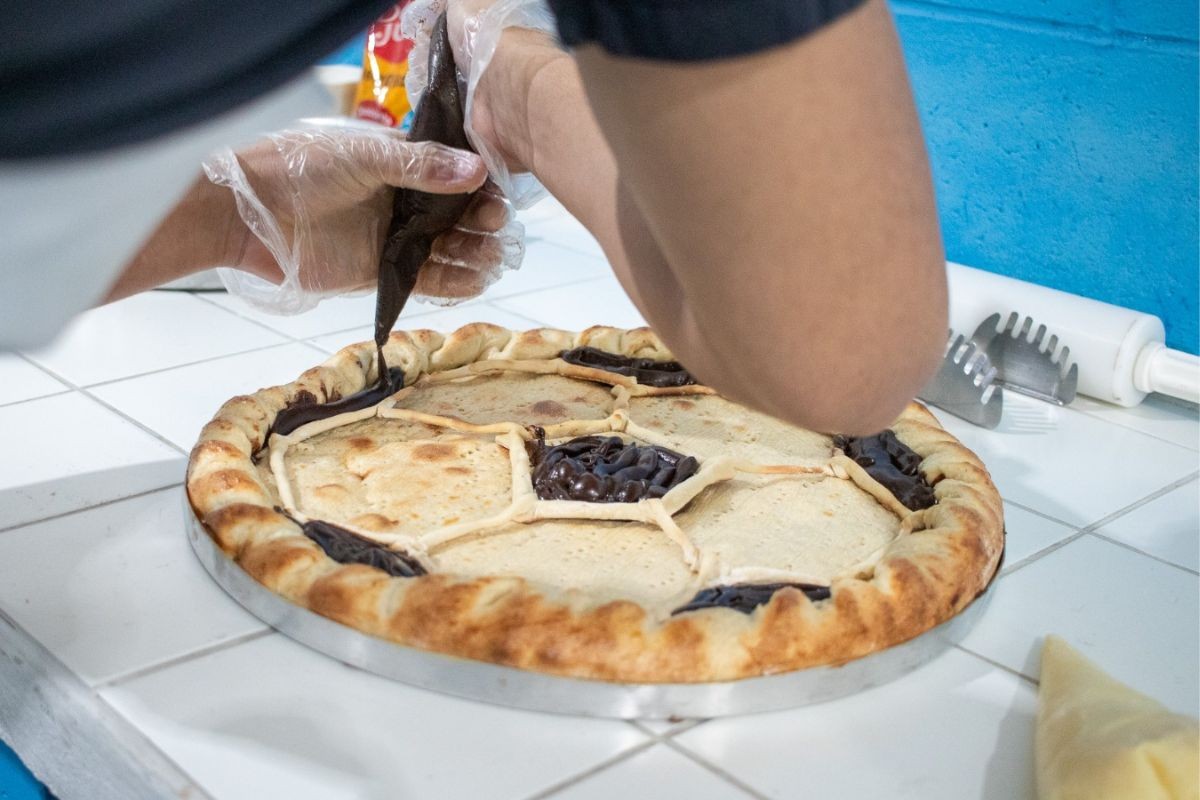
Adolescents from the Casa Foundation in Mongaguá, located on the coast of São Paulo, Brazil, have won a culinary competition with a unique "soccer ball"-shaped brigadeiro and beijinho pizza. This creation earned them first place in the institution's gastronomic event, held in a World Cup-themed atmosphere. The Casa Foundation serves young people under 21 years old in the State of São Paulo, implementing socio-educational measures including deprivation of liberty and semi-liberty, as determined by the Judiciary. The "Mini Copa Della Pizza" festival was a collaboration between the Casa Foundation and the FAT (Foundation for Support of Technology), open to all adolescents enrolled in courses across 21 socio-educational centers in São Paulo State. Teams from São Vicente, Peruíbe, and Mongaguá advanced to the finals, with Mongaguá ultimately securing first place for their soccer ball pizza. Peruíbe's team took second with a banana and hazelnut cream pizza, while São Vicente's team placed third with a picanha and mozzarella pizza. Participants were judged on creativity, dough quality, ingredient balance, flavor, aroma, presentation, teamwork, and hygiene. They also researched cooking techniques, flavor combinations, and drew inspiration from traditional pizzerias. The competition aimed to foster resocialization, with organizers highlighting how culinary skills promote autonomy and social interaction. The winning recipes will be compiled into a digital book to showcase the youth's work beyond the socio-educational centers. Officials emphasized the festival's role in using gastronomy for learning, skill development, and enhancing job market prospects, viewing professional qualification as a path to new opportunities and social transformation.
This culinary competition, framed within a World Cup theme, provided a platform for young individuals in socio-educational centers to showcase creativity and technical skill. The initiative appears designed to foster resocialization and develop practical abilities, potentially enhancing future employment opportunities. By integrating culinary arts with themes of teamwork and inspiration from established food traditions, the program aims to build confidence and a sense of accomplishment. The subsequent publication of recipes in a digital book offers a tangible outcome, extending the visibility of participants' efforts. Such programs underscore the potential of vocational training and creative expression as tools for personal development and social integration within institutional settings.
AI-generated to prompt reflection — not editorial opinion, not advice, not a statement of fact. How this works.