Youth-Led Protest Erupts Outside Japanese Parliament
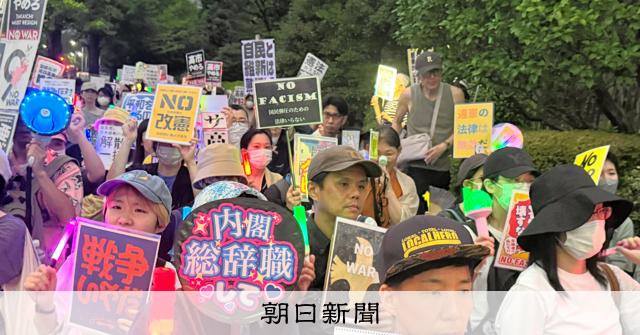
A group of young individuals organized an emergency protest in front of the Japanese National Diet. The demonstrators voiced strong opposition to recent parliamentary actions, citing concerns of 'disregard for the Diet' and 'tyranny of the majority.' The protest highlights a growing sentiment among some youth regarding the perceived erosion of democratic processes and accountability within the legislative body. Participants expressed frustration over what they described as a lack of genuine deliberation and a rush to pass legislation without adequate public input or consideration of dissenting opinions. The event underscores a desire for greater transparency and responsiveness from elected officials. The young activists aim to draw public attention to these issues and encourage broader civic engagement.
The protest serves as a visible manifestation of discontent, with participants using the platform to articulate their grievances directly to the public and lawmakers. The slogans used, such as 'disregard for the Diet' and 'tyranny of the majority,' indicate a deep-seated concern about the functioning of parliamentary democracy. This demonstration by younger generations suggests a potential shift in political activism, focusing on holding institutions accountable for their adherence to democratic principles. The organizers hope this event will spark a wider conversation about the health of Japan's democratic institutions and the role of youth in shaping its future.
This protest signifies a generational concern regarding the perceived procedural integrity and deliberative quality within Japan's parliamentary system. The youth-led demonstration, framed around 'disregard for the Diet' and 'tyranny of the majority,' suggests a public demand for enhanced legislative accountability and a more inclusive decision-making process. In the context of an evolving global political landscape, where digital platforms amplify civic voices, such movements highlight the increasing expectation for transparency and responsiveness from governing bodies. Future governance models may need to integrate more robust mechanisms for public consultation and deliberation to address such sentiments, ensuring that legislative actions reflect a broader societal consensus rather than the dominance of numerical advantage. This event prompts consideration of how democratic institutions can adapt to maintain legitimacy and public trust in an era of heightened citizen scrutiny.
AI-generated to prompt reflection — not editorial opinion, not advice, not a statement of fact. How this works.