Youth-led protests force Indian minister's resignation, challenging BJP's image
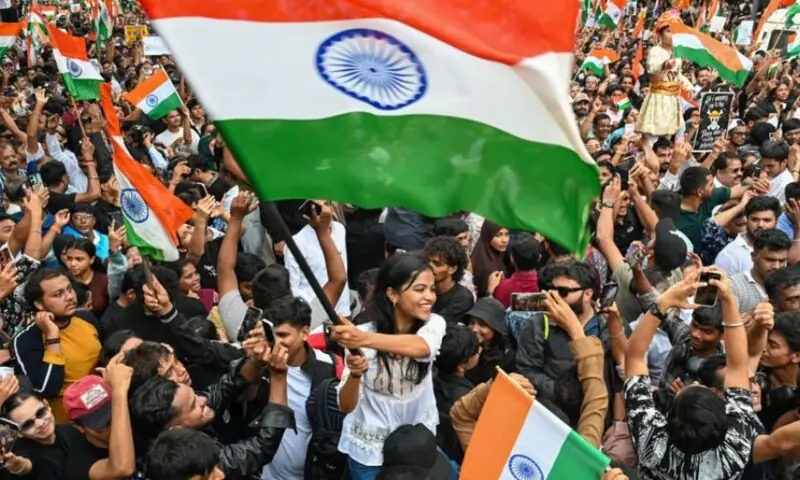
India's Education Minister Dharmendra Pradhan resigned on July 25, marking the first cabinet resignation under public pressure since Prime Minister Narendra Modi took office in 2014. This capitulation followed widespread youth anger and resistance, galvanized by protests in New Delhi led by the Cockroach Janta Party (CJP). The youth-led movement has significantly impacted the ruling Bharatiya Janata Party (BJP) ahead of crucial state elections, particularly in Uttar Pradesh in 2027. While the CJP has not announced plans to become a political party, its success has dented Modi's image of invincibility and energized the opposition. Political commentator Nilanjan Mukhopadhyay described the protests as a major blow to Modi's "strongman image" and a potential turning point in Indian politics, noting that the "fear of the regime has now gone" among young people who protested despite police action. Opposition parties, including Congress leader Rahul Gandhi, have seized on the momentum, demanding resignations from Home Minister Amit Shah and others, alleging orders to use force against student protesters. The government's decision to yield to CJP's demands is attributed to fears of losing youth support, as 39% of voters aged 18-25 supported the BJP in the 2024 general election. The protests highlighted deep anger over issues like exam paper leaks, with even children of BJP ministers expressing support. The CJP and other groups criticized Modi's subsequent actions, such as anti-paper leak legislation and outreach efforts, arguing they fail to address root causes and accountability. The movement has inspired other youth organizations and led to copycat protests in several states, demanding better education facilities and condemning police actions. The BJP is fighting back, with authorities requesting social media takedowns and pro-BJP users attempting to dox critics, while leaders publicly welcomed Pradhan, signaling a continued resistance despite fears of democratic tightening. Political strategists note that the protests reflect broader issues like youth unemployment and challenge the BJP, but also highlight the opposition's struggle to effectively channel public anger into tangible political support.
The recent resignation of India's Education Minister, triggered by youth-led protests, signifies a notable shift in public engagement and governmental responsiveness. This event underscores the increasing influence of organized citizen movements, particularly among young demographics, in shaping policy and political outcomes. The government's concession, despite its prior stance on ministerial accountability, suggests a calculated response to potential electoral repercussions, acknowledging the significant youth vote share. The analysis indicates a complex interplay between public pressure, political strategy, and the evolving dynamics of democratic participation in India. Future political landscapes may increasingly be influenced by the ability of both ruling parties and opposition groups to effectively address the concerns and mobilize the energy of younger generations, moving beyond traditional political structures to engage with issues like employment and educational integrity. The government's counter-efforts, including social media control, highlight the ongoing tension between managing public discourse and upholding democratic freedoms.
AI-generated to prompt reflection — not editorial opinion, not advice, not a statement of fact. How this works.