Youthful stress-drinking may cause lasting brain changes, increasing dementia risk
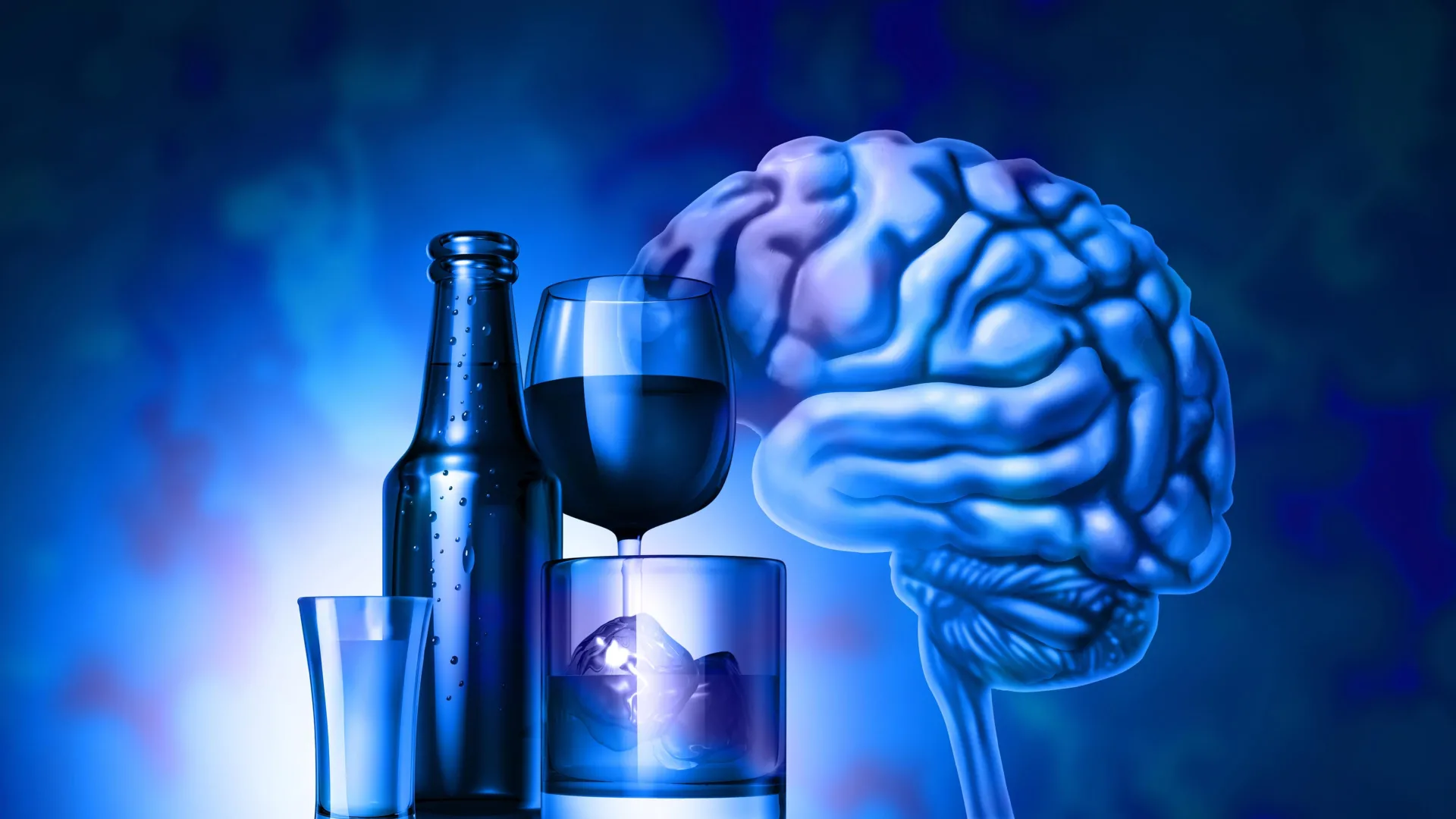
Engaging in drinking to manage stress during youth could lead to permanent alterations in the brain's structure and function. This can impair the ability to adapt to new challenges and heighten the likelihood of relapse into drinking later in life. Researchers observed indicators of brain damage in individuals who used alcohol to cope with stress at a young age. These observed changes bear resemblance to early signs of dementia. The findings suggest that these detrimental effects on the brain can persist even after alcohol consumption ceases. This highlights a significant long-term risk associated with using alcohol as a coping mechanism during formative years. The study underscores the importance of developing healthier coping strategies for stress, particularly for adolescents and young adults, to safeguard cognitive health and prevent future addiction.
The study suggests a potential neurobiological pathway through which early-life stress and alcohol use may interact, leading to long-term cognitive deficits and increased vulnerability to addiction. This highlights the critical importance of early intervention and the promotion of healthy coping mechanisms for stress in young populations. From a public health perspective, understanding these mechanisms could inform preventative strategies aimed at mitigating the societal costs associated with alcohol-related harm and cognitive decline. The findings also raise questions about the long-term impact of environmental stressors on brain development and resilience, particularly in the context of increasing societal pressures and the ongoing AI era's potential to exacerbate or alleviate these challenges.
AI-generated to prompt reflection — not editorial opinion, not advice, not a statement of fact. How this works.