YouTuber Rehan Tariq remanded for six days on blasphemy and cybercrime charges
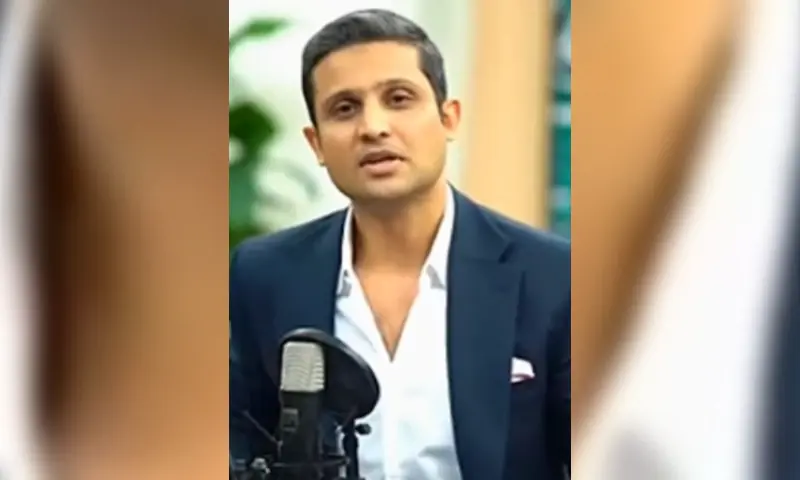
Lahore, Pakistan – Judicial Magistrate Naeem Wattoo has granted the National Cyber Crime Investigation Agency (NCCIA) a six-day physical remand for podcast host Rehan Tariq. The remand is in connection with a case registered on June 25 under blasphemy and electronic crime laws. The First Information Report (FIR) was filed against Tariq following a podcast where he discussed sensitive and controversial sectarian issues with a religious scholar, which reportedly caused controversy among different religious sects. The charges include hate speech under Section 11 of the Prevention of Electronic Crimes Act, 2016, and offenses under the Pakistan Penal Code: Section 153-A for promoting enmity between groups, Section 295-A for outraging religious feelings, and Section 298 for deliberately wounding religious feelings through words or gestures. Tariq was arrested by the NCCIA at Lahore Airport upon his arrival from abroad. The magistrate ordered that Tariq be presented again at the conclusion of the remand period for further proceedings.
The arrest and remand of Rehan Tariq highlight the complex interplay between freedom of expression, religious sensitivities, and the legal frameworks governing online content in Pakistan. The charges, particularly those related to blasphemy and hate speech under PECA and the Pakistan Penal Code, underscore the state's mechanisms for managing public discourse on religiously charged topics. Such legal actions can create a chilling effect on open discussion, potentially stifling academic or journalistic exploration of sensitive issues due to fear of reprisal. The case also brings into focus the NCCIA's role in enforcing cybercrime laws, raising questions about the scope and application of these regulations in the digital age. Moving forward, balancing the protection of religious sentiments with the imperative for open dialogue and academic inquiry will remain a critical challenge for Pakistani society and its governance structures.
AI-generated to prompt reflection — not editorial opinion, not advice, not a statement of fact. How this works.