Zélia Gattai's Fierce Defense Kept Jorge Amado's Literary Legacy in Bahia
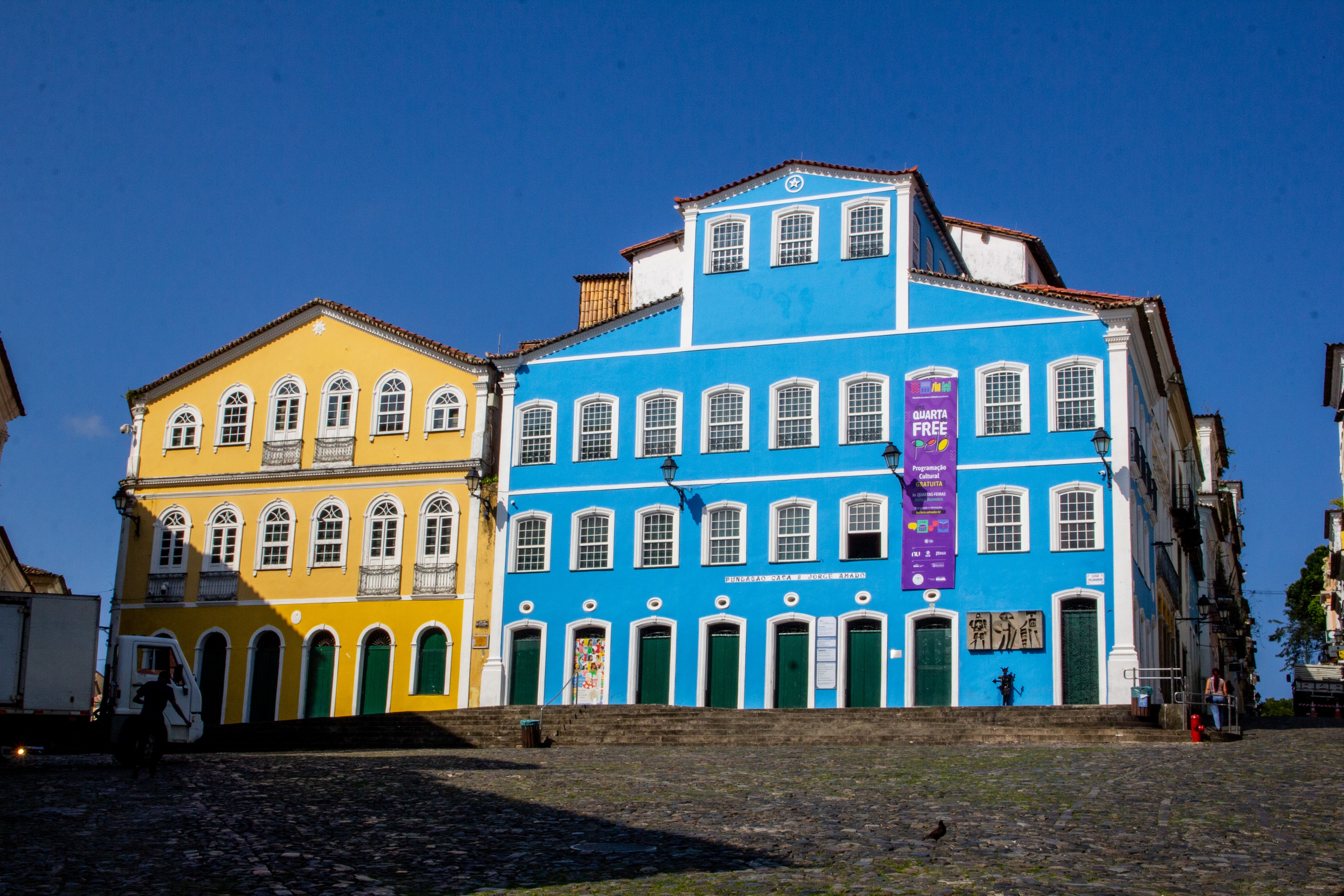
The Jorge Amado House Foundation, a key institution preserving the legacy of the Bahian writer, will celebrate its 40th anniversary in 2026. Established to ensure his vast collection remained in Bahia, the foundation was born from the family's, intellectuals', and cultural supporters' efforts to keep the archive of one of Brazil's most translated authors in his home state. The foundation's headquarters, located in Salvador's historic Pelourinho district, officially opened on March 7, 1987, following its constitution on July 2, 1986. However, the initiative's roots trace back years earlier to Jorge Amado's own concerns about his literary estate's future.
According to his daughter, Paloma Jorge Amado, the idea for the foundation solidified after Jorge Amado received an offer from The Pennsylvania State University in the United States to house his archives. While the author initially considered the proposition, his wife, Zélia Gattai, adamantly refused, declaring, 'Only over my dead body will this archive leave Bahia. I'm not talking about Brazil. I'm talking about Bahia. You are a Bahian writer, and this archive must stay here.' This decisive stance prompted the search for a suitable location and an independent institutional structure.
Jorge Amado specifically wished for his collection to remain independent of governmental control, fearing political shifts could jeopardize its preservation, citing the disappearance of Pablo Neruda's shell collection after Chile's dictatorship. This led to the rejection of an offer from the Federal University of Bahia. To establish a non-profit, independent entity, Jorge Amado and Zélia Gattai collaborated with their children, Paloma and João Jorge Amado, former Ufba rector Germano Tabacoff, writer Myriam Fraga, and lawyer Carlos Fraga. Carlos Fraga developed the independent, non-profit model, a crucial safeguard given Jorge Amado's past experiences, including the public burning of his book 'Capitães da Areia' in 1937. The current foundation building was provided by the Bahia state government, with restoration and equipment funded by the former Sarney cultural incentive law. Despite its cultural significance, the foundation has faced financial challenges, including threats to its operations due to electricity payment issues, which could endanger the paper-based archive in Bahia's humid climate. To avert closure, Paloma and João Jorge Amado organized an auction of their parents' art, dedicating proceeds to the institution's maintenance. The foundation continues to rely on income from Zélia Gattai's photographic archive, comprising approximately 30,000 negatives, which document notable figures and scenes. The collection now holds about 350,000 documents, including manuscripts, correspondence, personal items, and various editions of Amado's works, which have been published in 56 countries and translated into 49 languages. The foundation also engages in cultural exchanges and exhibitions globally, participating in events in Argentina, Chile, Colombia, Mexico, and Macau. The Festa Literária Internacional do Pelourinho (Flipelô) is a major event, drawing hundreds of thousands of visitors and involving numerous cultural and gastronomic initiatives. Future plans include a new exhibition space and educational programs like the Amado Reading Club and a Story Creation Workshop.
The establishment and continued operation of the Jorge Amado House Foundation highlight the complex interplay between cultural preservation, national identity, and institutional independence. Zélia Gattai's assertive stance, driven by a deep connection to Bahia, underscores the emotional and cultural capital invested in safeguarding artistic legacies. The foundation's design to avoid governmental ties, informed by historical instances of censorship and asset seizure, reflects a systemic concern for cultural autonomy against political volatility. While the foundation has secured significant archival material and international reach, its recurring financial vulnerabilities, exacerbated by political factors, reveal the precariousness of cultural institutions reliant on fluctuating support. This situation prompts consideration of sustainable funding models that can insulate cultural heritage from political winds and economic downturns, ensuring long-term preservation and accessibility in an era where digital access and physical climate control present ongoing challenges.
AI-generated to prompt reflection — not editorial opinion, not advice, not a statement of fact. How this works.