Zambian Civil Society Urges Army Commander to Retract Election Remarks
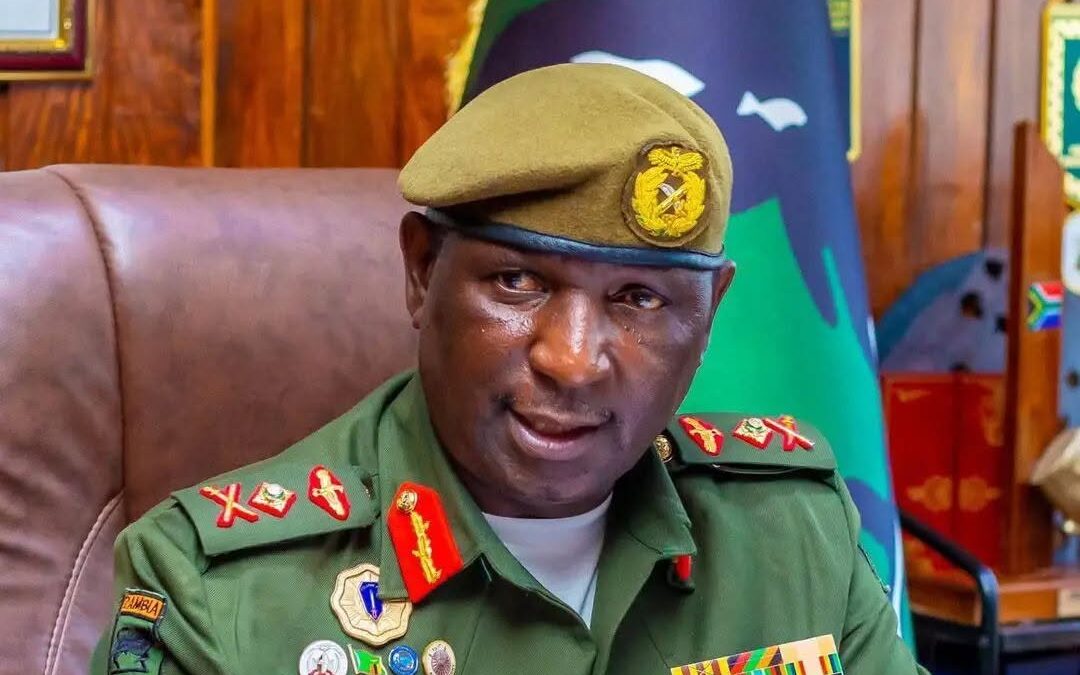
A coalition of civil society organizations in Zambia has formally requested Lieutenant General Geoffrey Zyeele, the Zambia Army Commander, to retract statements he made concerning the military's role in ensuring law and order during the upcoming August elections. The coalition argues that General Zyeele's remarks, which suggested the army's involvement before, during, and after the electoral period, raise significant constitutional questions. Specifically, they are concerned about the implications for the separation of powers and the established role of the armed forces within a democratic society. The demand highlights a perceived overreach by the military into civilian governance and electoral processes. The civil society groups believe that such pronouncements could undermine public trust in the neutrality of the army and potentially influence the electoral environment. They are advocating for a clear delineation of responsibilities, emphasizing that the management of elections and the maintenance of civilian law and order should primarily fall under the purview of civilian institutions. The call for withdrawal underscores a broader debate about the appropriate boundaries between the military and democratic political processes in Zambia.
The call by Zambian civil society organizations for Lieutenant General Geoffrey Zyeele to withdraw his remarks regarding military involvement in election security points to a critical tension between national security imperatives and democratic principles. Such statements, regardless of intent, can be perceived as politicizing the armed forces, potentially eroding public confidence in their impartiality. The constitutional framework typically reserves the primary responsibility for election management and civilian law enforcement to elected officials and civilian agencies. While the military may have a role in supporting civilian authorities under specific legal mandates, proactive pronouncements about their direct involvement in electoral order can create an environment where perceptions of coercion or undue influence might arise. This situation highlights the importance of clear communication and adherence to established protocols to safeguard the integrity of democratic processes and maintain the public's trust in all state institutions, especially during sensitive electoral periods.
AI-generated to prompt reflection — not editorial opinion, not advice, not a statement of fact. How this works.