ZDF Director Defends Rapper Danger Dan's Exclusion, Citing Incitement
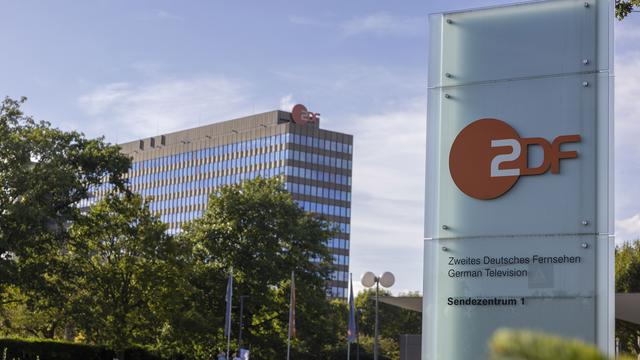
ZDF Director Norbert Himmler has defended the decision to exclude the rapper Danger Dan from the program "@home with the Bundesvision Song Contest." Himmler stated that Danger Dan's song "Keine Angst" (No Fear) is essentially a "user manual for left-wing, violent resistance." He emphasized that the public broadcaster must maintain a neutral stance and cannot provide a platform for content that promotes violence. Following the exclusion, Danger Dan announced that he would hold a replacement concert. The rapper's song has been interpreted by some as a call to action against perceived injustices, while others, like Himmler, view it as a dangerous incitement to violence. The incident highlights the ongoing debate surrounding freedom of expression and the responsibilities of public media in handling potentially controversial content.
The ZDF's decision to exclude Danger Dan's song, citing its content as a "user manual for left-wing, violent resistance," raises questions about the boundaries of artistic expression on public media platforms. While public broadcasters have a mandate to remain neutral and avoid promoting violence, defining "violent resistance" can be subjective and politically charged. This situation reflects a broader societal tension between safeguarding against incitement and protecting freedom of speech, particularly when artistic works engage with political dissent. The ZDF's stance suggests a conservative interpretation of its neutrality obligations, prioritizing the avoidance of potential controversy over providing a platform for a song that, while controversial, may be seen by some as a legitimate artistic critique of societal issues. Future considerations for public media might involve developing clearer frameworks for evaluating content that touches upon political or social unrest, balancing the need for responsible broadcasting with the principles of artistic freedom in an increasingly polarized environment.
AI-generated to prompt reflection — not editorial opinion, not advice, not a statement of fact. How this works.